The Most Significant New Watch Launches of 2026: Rolex, Patek Philippe, Tudor, and Beyond
2026 marks a historic year for luxury watchmaking with milestone anniversaries from Rolex, Patek Philippe, and Tudor. From ground-breaking material innovations like Jubilee Gold and Ceralume to revived icons and refined complications, these new releases set a new standard for luxury watch collectors in Singapore.

A writer who has spent the past seven years focusing on haute horlogerie, haute couture, and the culture surrounding them. The history and details behind each creation keep him writing about this world.
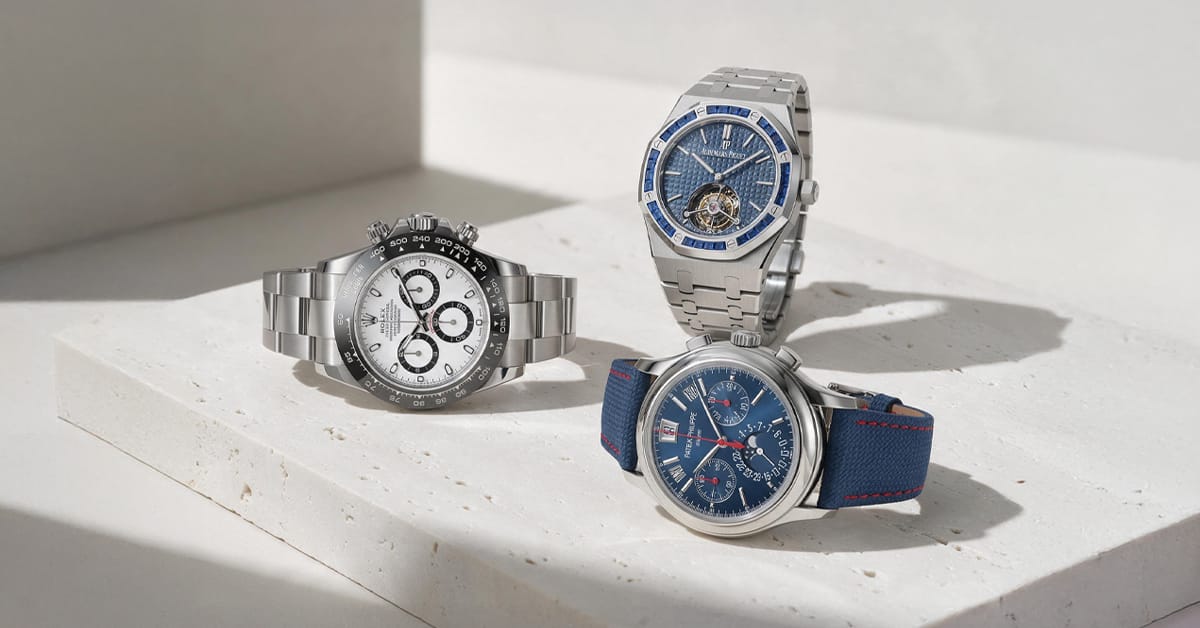
The watch world is always busy, but 2026 has felt like a special year. At Watches & Wonders Geneva, some of the biggest names in the industry came with plenty to say: anniversary pieces, returning collections, new movements and a few redesigns that took many of us by surprise.
Much of the excitement comes down to some important birthdays. Rolex built a large part of its year around 100 years of the Oyster case, while Tudor celebrated its own centenary with one of the widest line-ups in its history. Patek Philippe marked 50 years of the Nautilus, and Cartier looked back to its archives to bring some much-loved shapes back to life.
For collectors in Singapore, these launches matter beyond the headlines. They also help explain where the models already sitting in boutiques and on the pre-owned market fit in, and which of them may be worth a closer look.
With that in mind, here are the standout new watches 2026 has brought us so far.
The Biggest Watch Launches of 2026
Any look back at this year’s fair has to start with Rolex. The brand used 2026 to celebrate 100 years of the Oyster, the waterproof case it patented in 1926, and that milestone shaped almost everything it launched.
What made the celebration interesting is that Rolex didn’t stop at anniversary engravings. Several of the new watches looked back at the materials, colours and technical ideas that helped turn the Oyster into the world’s first truly waterproof wristwatch, drawing a clear line between the brand’s early breakthroughs and the watches it makes today.
If this year’s launches aren’t quite what you’re after, the wider Rolex Singapore collection has plenty more to explore.
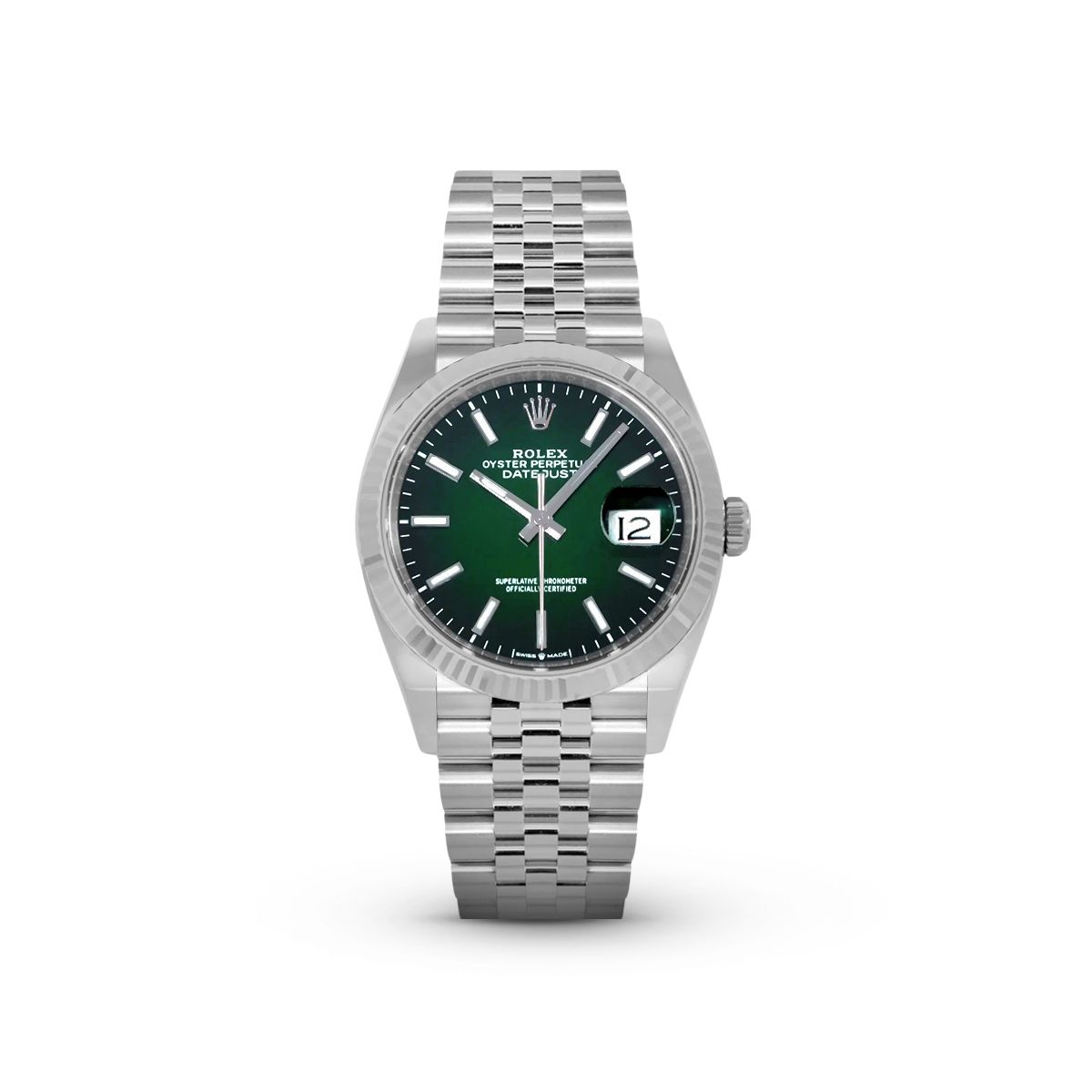
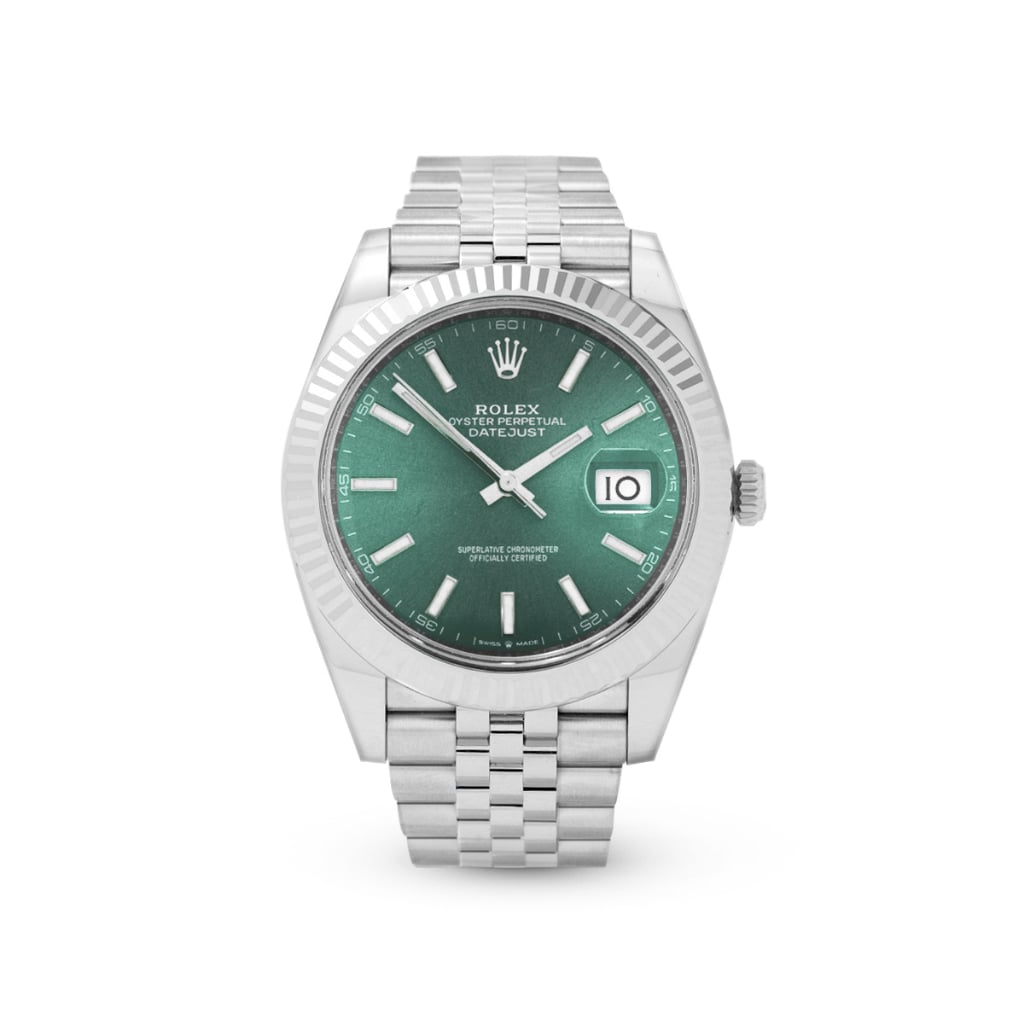
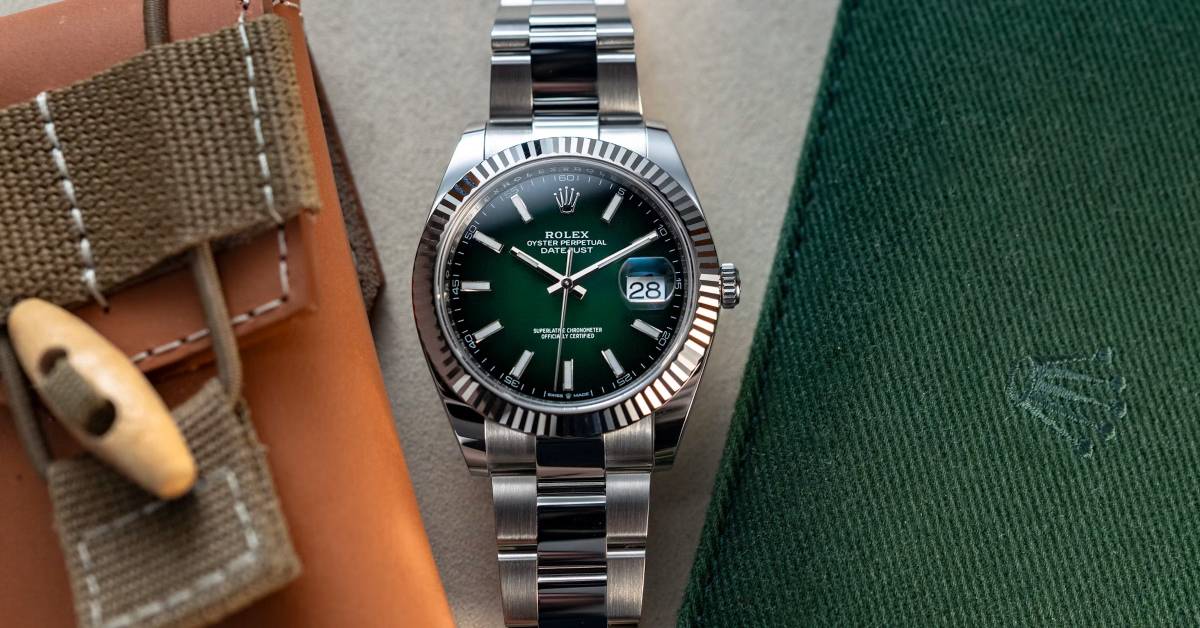
Rolex Datejust 41 Green Ombré Lacquer Dial
Few watches handle everyday life as well as the Rolex Datejust. It suits the office, the weekend and almost everything in between, so Rolex didn’t need to reinvent it for 2026. Instead, the brand gave it something special to mark the anniversary year: a new dial with real character.
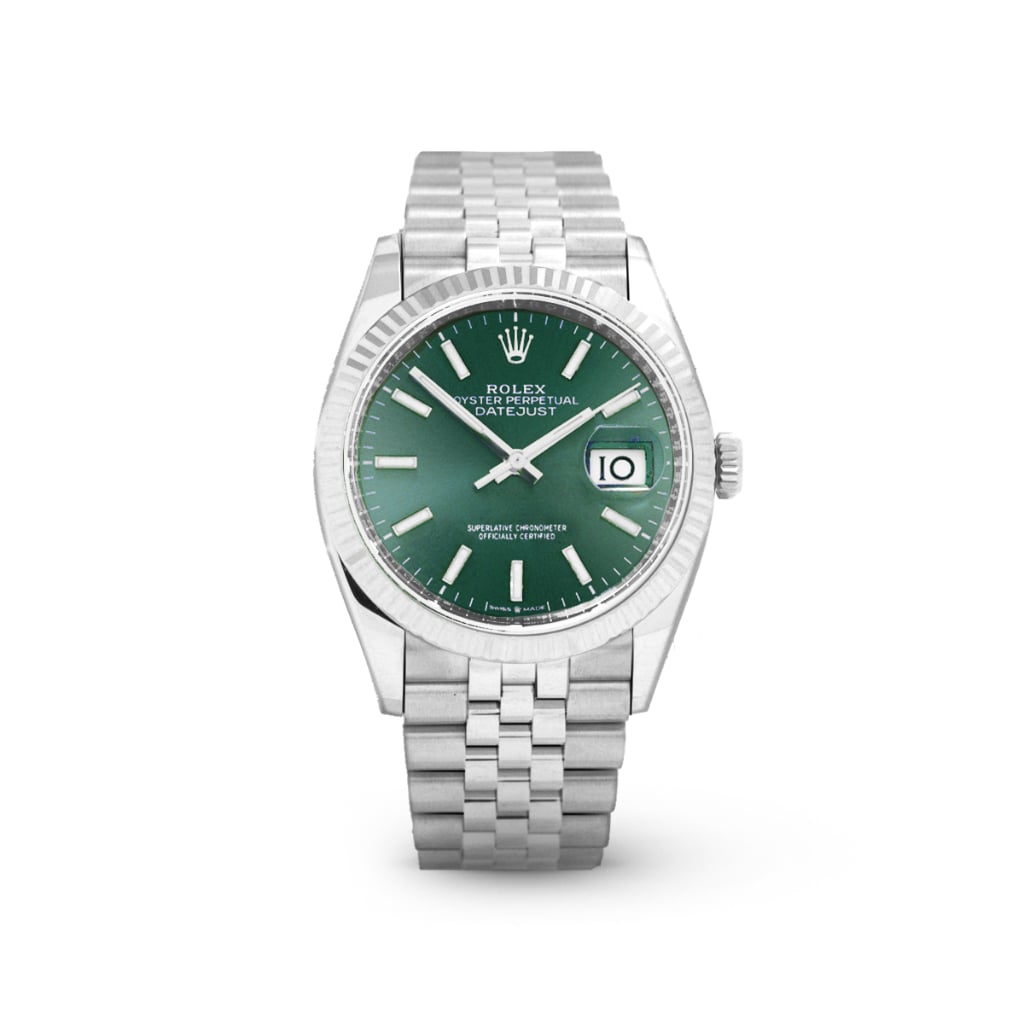
The new Datejust 41 features a green ombré lacquer dial. To create it, Rolex first applies a layer of green lacquer, then sprays black lacquer in circles towards the edge. The colour fades from a bright green at the centre to a deep, almost black rim, and it looks noticeably different as the light changes. In bright sunlight it feels fresh and lively; indoors, it turns darker and more refined.
Underneath that dial, the formula is familiar. Paired with a white Rolesor case and the signature fluted bezel, the watch runs on Rolex Calibre 3235, a proven automatic movement with around 70 hours of power reserve. In practice, that means you can take it off on Friday evening and it will still be running on Monday morning.
That mix of classic design and a more expressive dial is what makes it stand out. Of all the Rolex new watches 2026 brought to Geneva, this is one of the easiest to picture on the wrist every day.
If you’d like to see how it compares with the classics, browse the Rolex Datejust Singapore collection.
Rolex Day-Date Jubilee Gold with Aventurine Dial
Rolex’s most interesting story this year isn’t a new complication. It’s a new kind of gold.
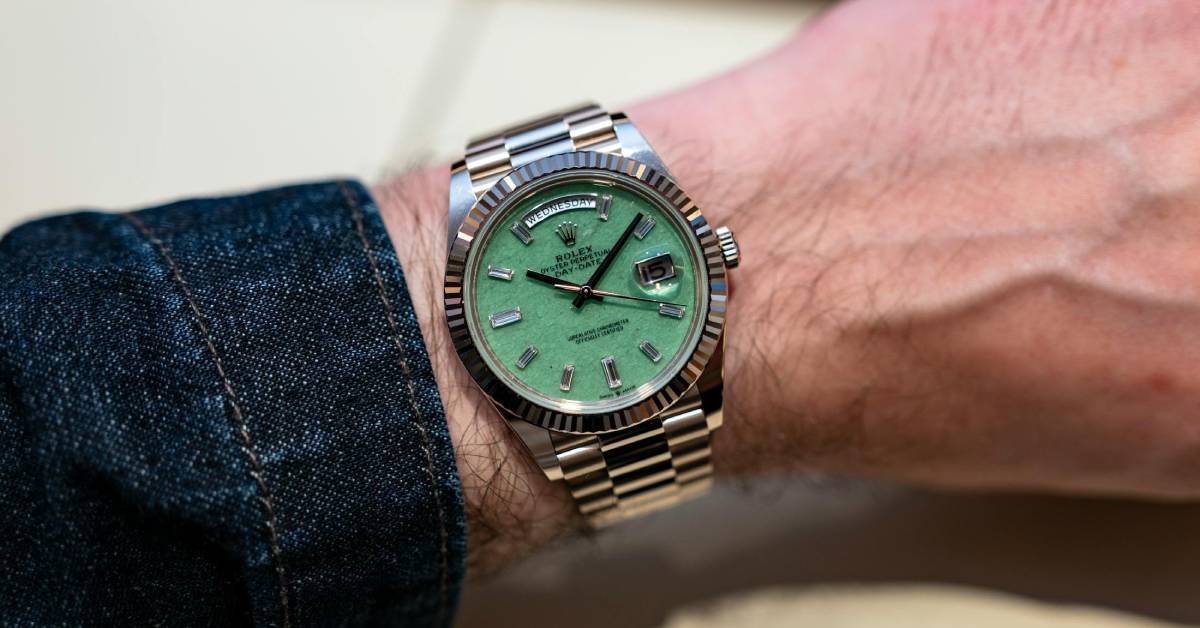
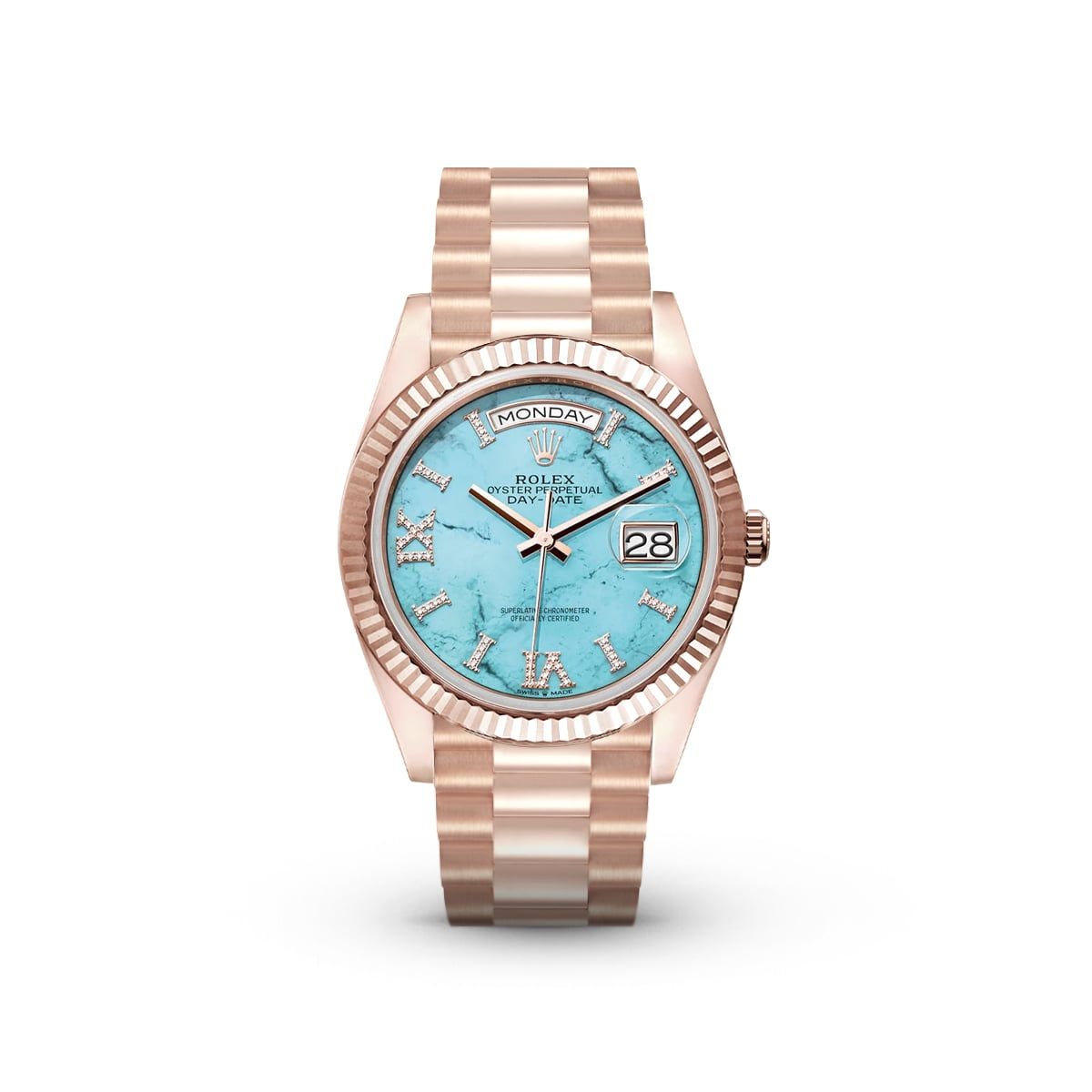
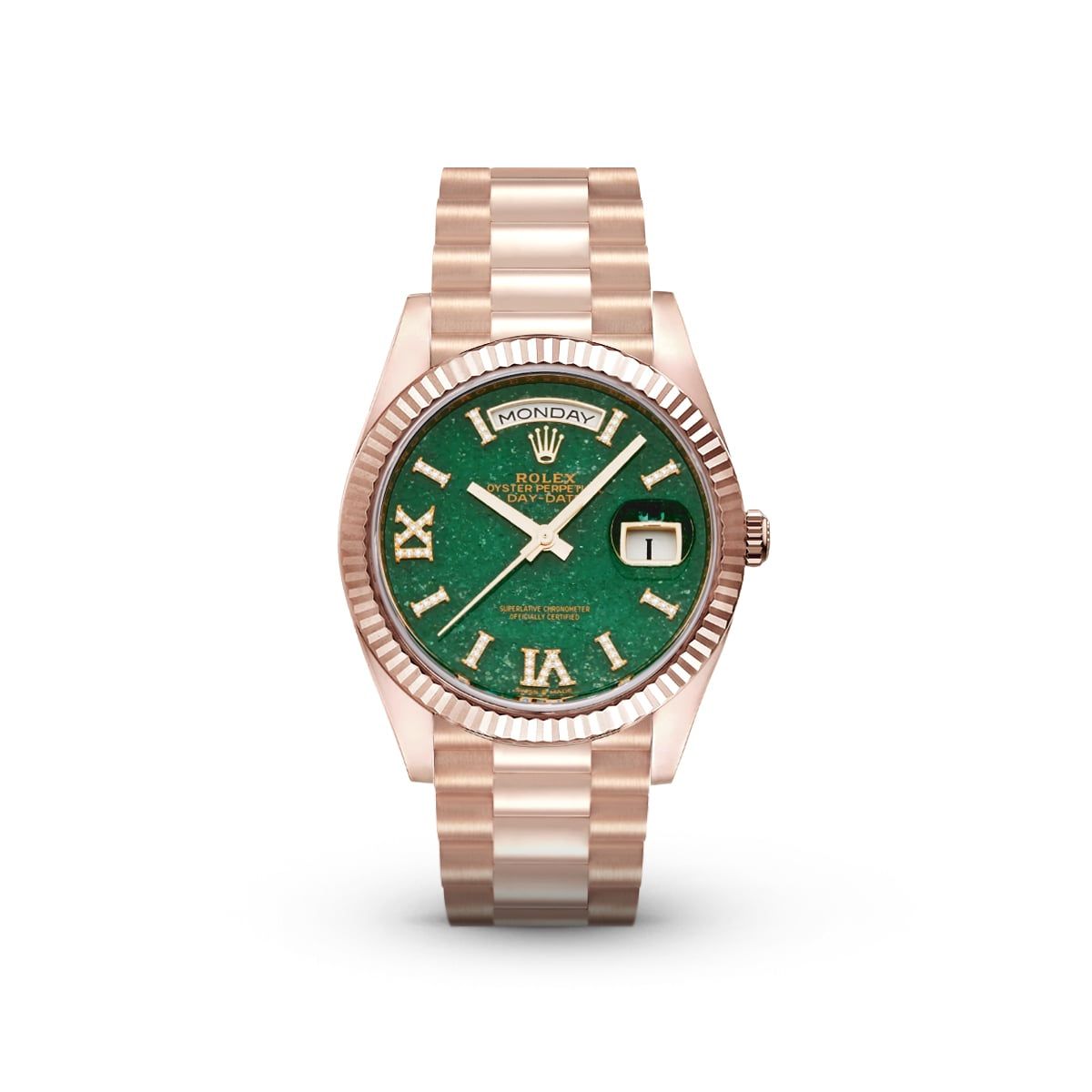
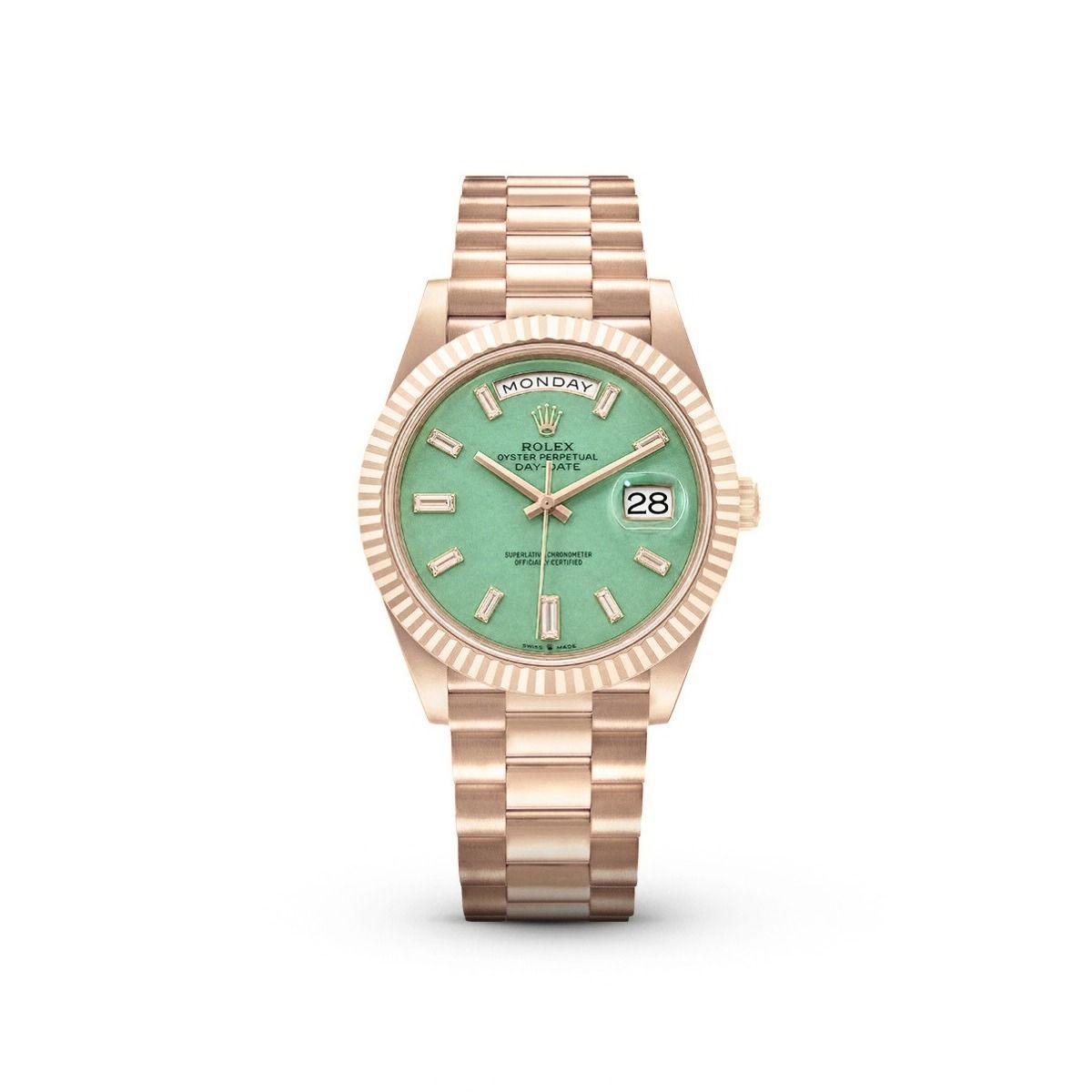
The latest Day-Date 40 is the first watch to use Jubilee Gold, an 18-carat alloy that Rolex developed and makes entirely in-house. Its colour sits somewhere between classic yellow gold and Rolex’s own Everose: warm, soft and a little different from anything else in the catalogue.
Rolex has paired the new metal with a light-green aventurine dial. Aventurine has a natural shimmer, almost like tiny flecks of metal caught in the stone, and it works nicely with the gentle glow of the case. Baguette-cut diamonds mark the hours, adding just the right amount of sparkle. Inside, the familiar Calibre 3255 keeps things running, with a power reserve of around 70 hours.
There’s no denying this is a showpiece. But it may prove more important than a single new reference suggests. If Rolex goes on to use Jubilee Gold in other models, this Day-Date will be remembered as the watch that started it.
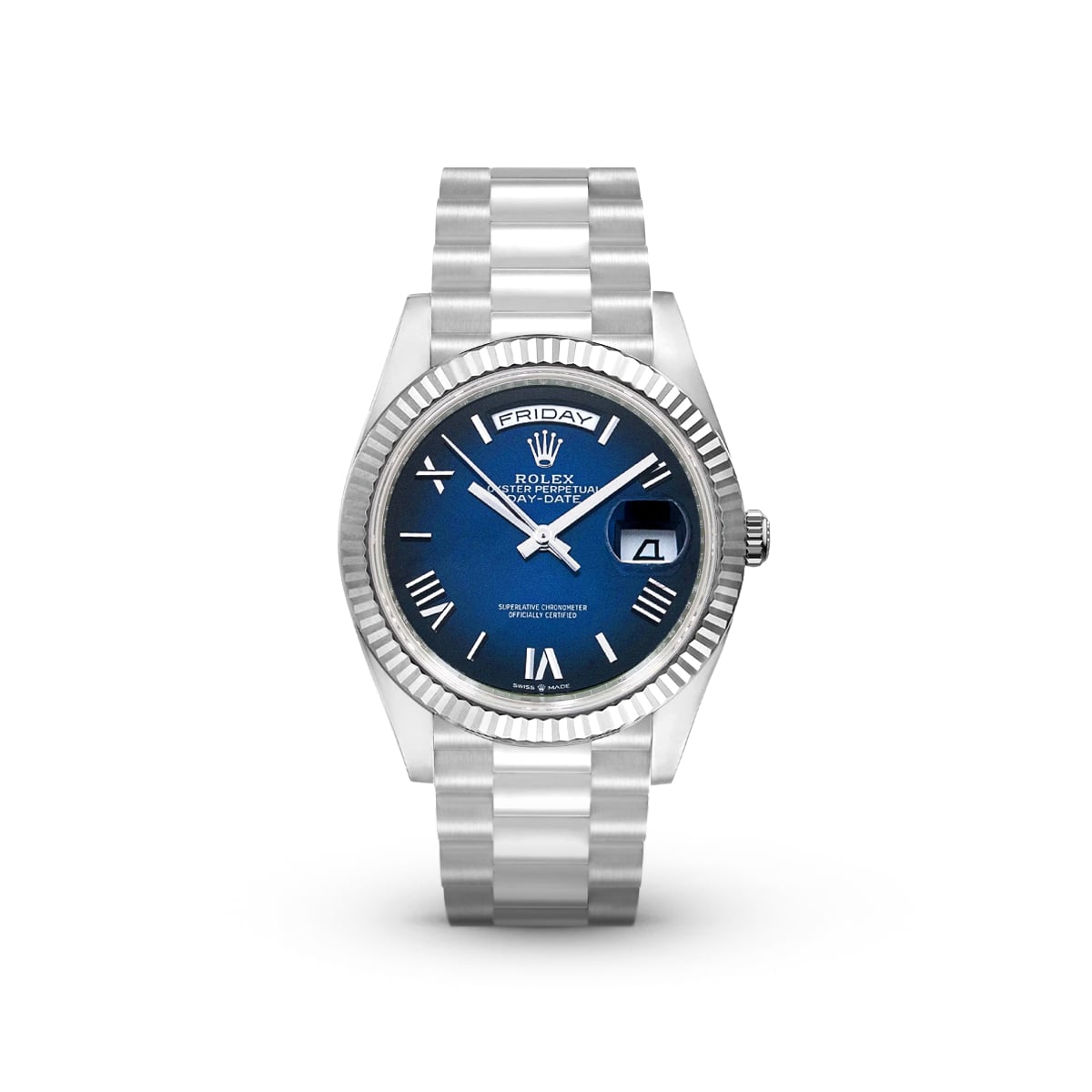
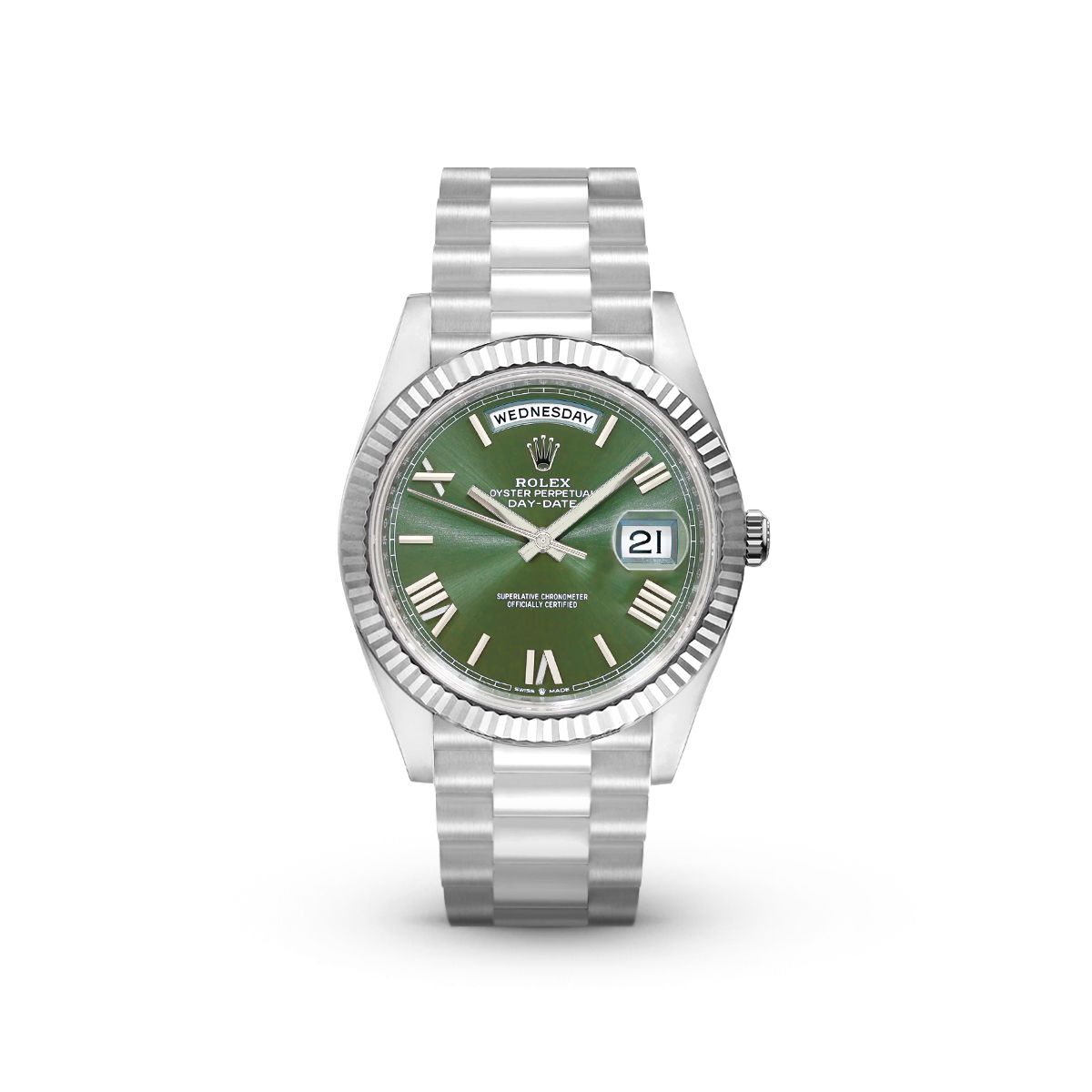
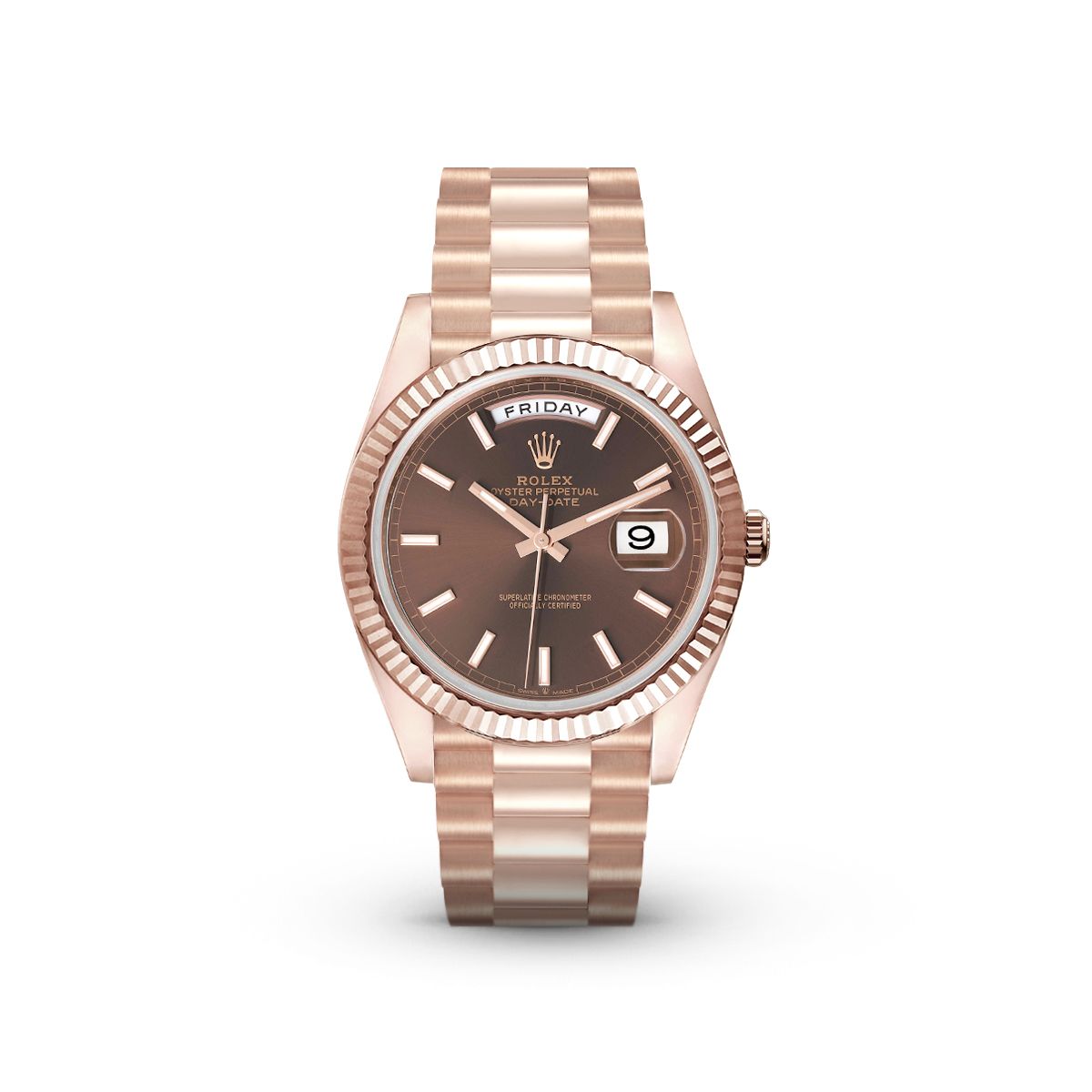
If you’d rather go with something already in the collection, the Rolex Day-Date range has plenty to offer, including the Rolex Day-Date 36 Green Roman and the Rolex Day-Date 36 Ice Blue Roman.
Rolex Daytona “Polar” Dial with Exhibition Caseback
At first glance, the 2026 Cosmograph Daytona looks like a watch you already know. Look a little closer, though, and it turns out to be one of Rolex’s more surprising launches this year.
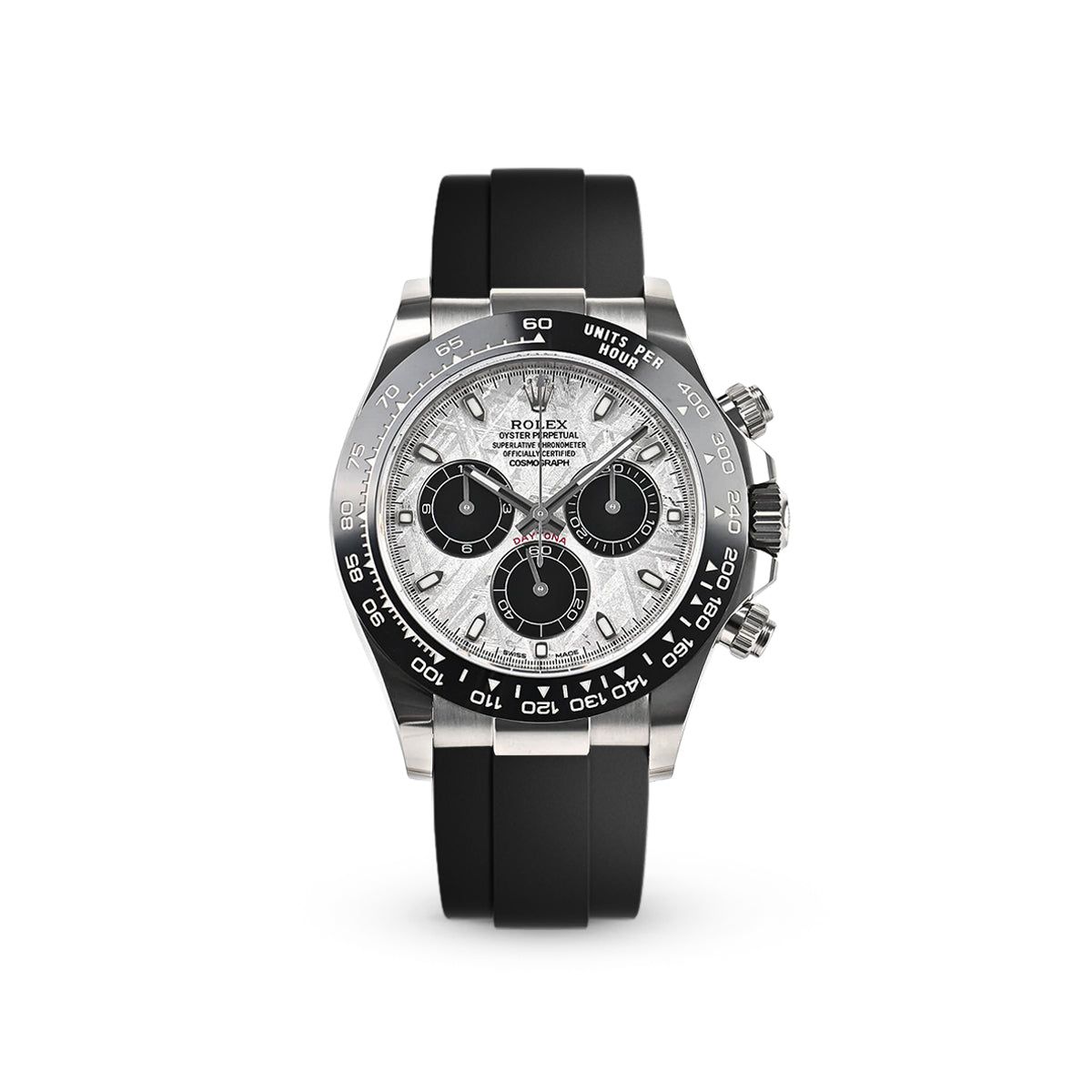
The dial is the first thing that stands out. It is made from white grand feu enamel, and it is completely white. The well-known “panda” Daytona pairs a white dial with black subdials, but this version leaves them white too, giving the face a clean, uninterrupted look. Collectors have already started calling it the “Polar” Daytona, even though Rolex has not used that name itself.
The case tells a similar story of quiet change. Rolex describes it as a Rolesium configuration, which means it combines Oystersteel with platinum. The anthracite Cerachrom bezel contains tungsten and is framed with a platinum edge.
Then there is the back of the watch. A sapphire caseback lets you see the Calibre 4131 at work, something Rolex has usually saved for its most special Daytona models. Seeing it here makes this release feel a little more personal and a little less expected.
Taken together, these details show that Rolex’s anniversary year is about more than looking back. Alongside the nods to its history, the brand is also trying new materials and new ways of presenting some of its most famous watches.
If you prefer an established reference, you can browse the existing models in the Rolex Daytona collection.
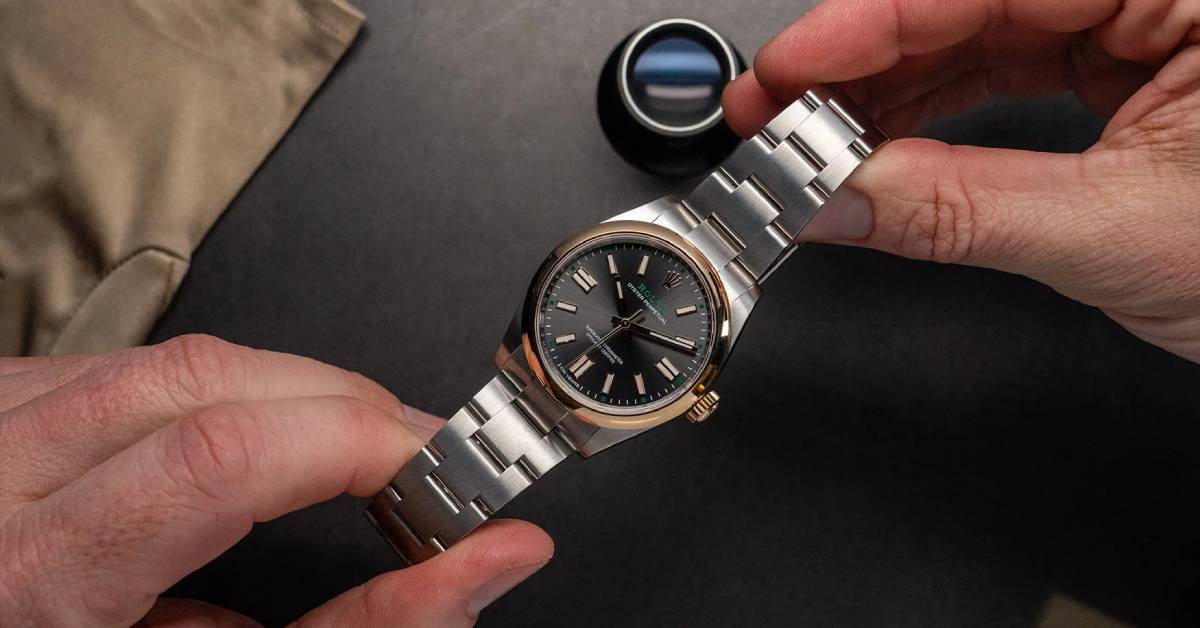
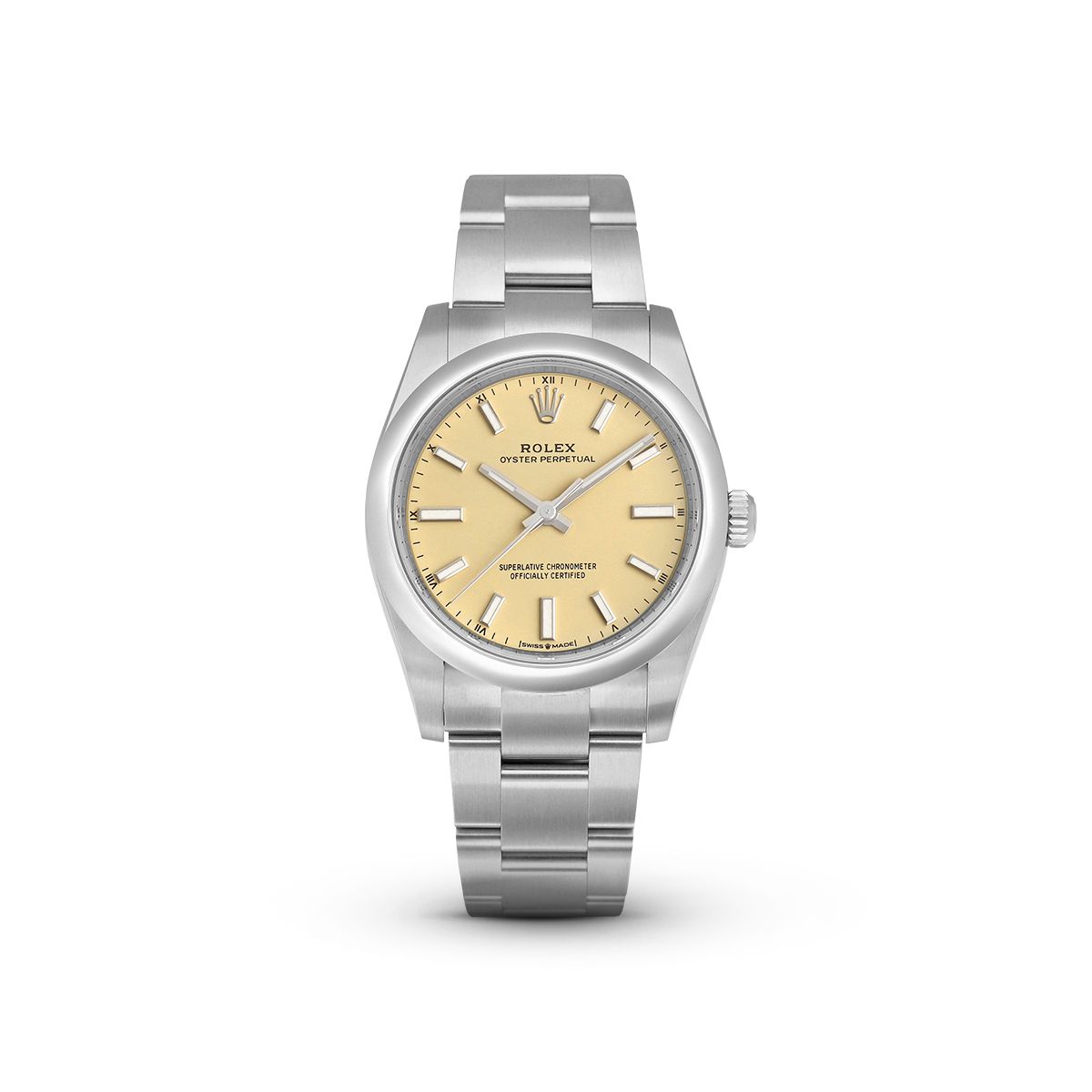
Rolex Oyster Perpetual 41 “100 Years”
Rolex could have marked 100 years of the Oyster with something lavish. Instead, it chose its simplest collection, and the result is arguably the most fitting tribute of the year: the 2026 Oyster Perpetual 41.
At first glance, this is a familiar watch. The case and Oyster bracelet are made almost entirely of Oystersteel, while the bezel and winding crown are in yellow gold. It is a yellow Rolesor combination, but used with a light touch. Those small gold details are a quiet nod to early Oyster watches, and they give the piece a vintage feel without trying too hard.
The dial is where the celebration really shows. Rolex calls the colour slate, although it can look almost black in photos. At six o’clock, the usual “Swiss Made” text gives way to “100 years”. Green squares mark every five minutes, and the Rolex name is printed in matching green. Even the crown joins in, with the number 100 raised on its surface.
Inside is the Calibre 3230, which offers around 70 hours of power reserve, so you can take it off on Friday evening and it will still be running on Monday morning.
What makes this watch work is its restraint. The original Oyster was built to be a dependable, everyday watch, and by celebrating it through the Oyster Perpetual, Rolex has kept that spirit alive.
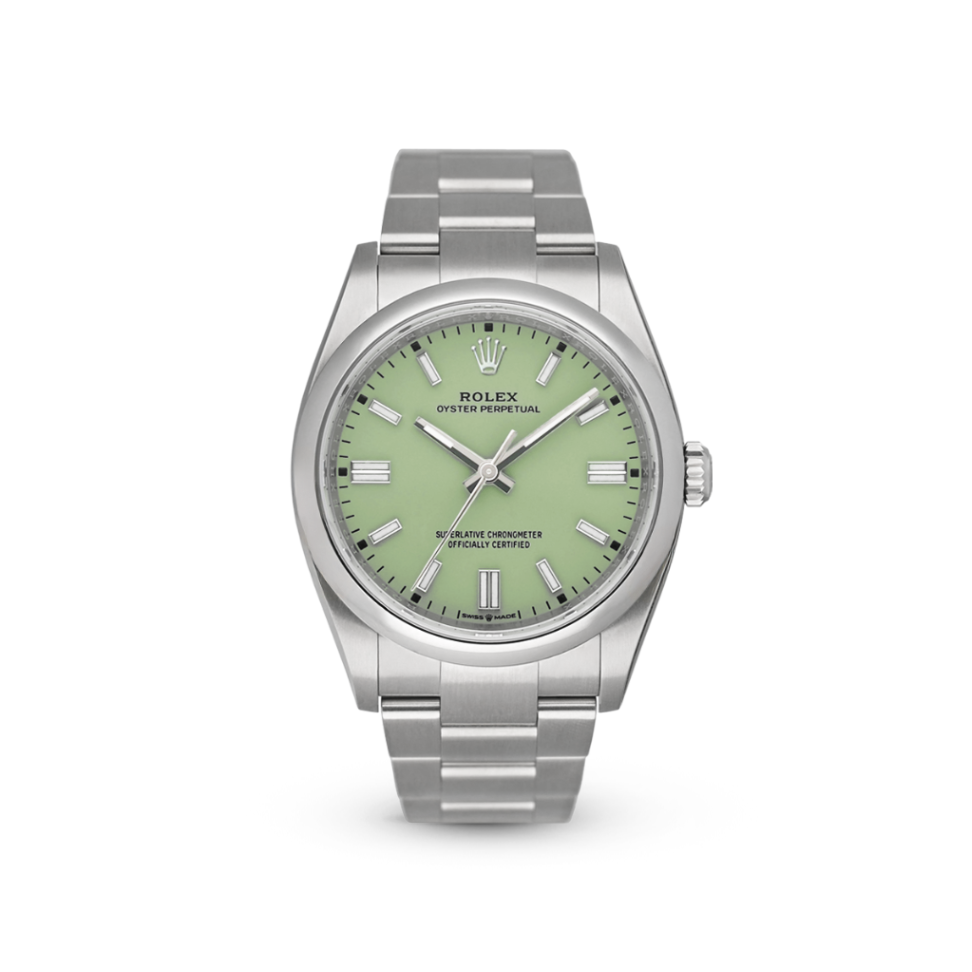
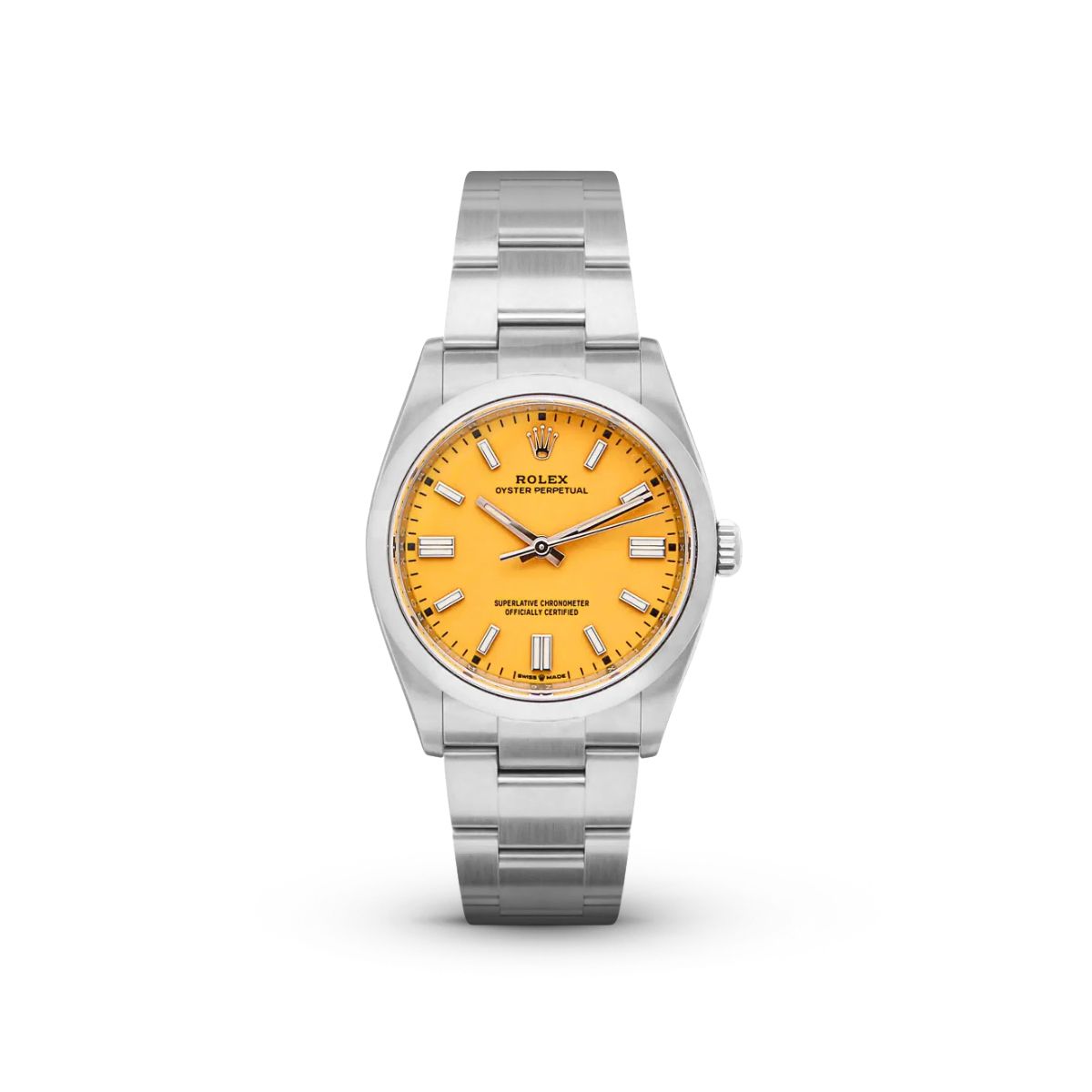
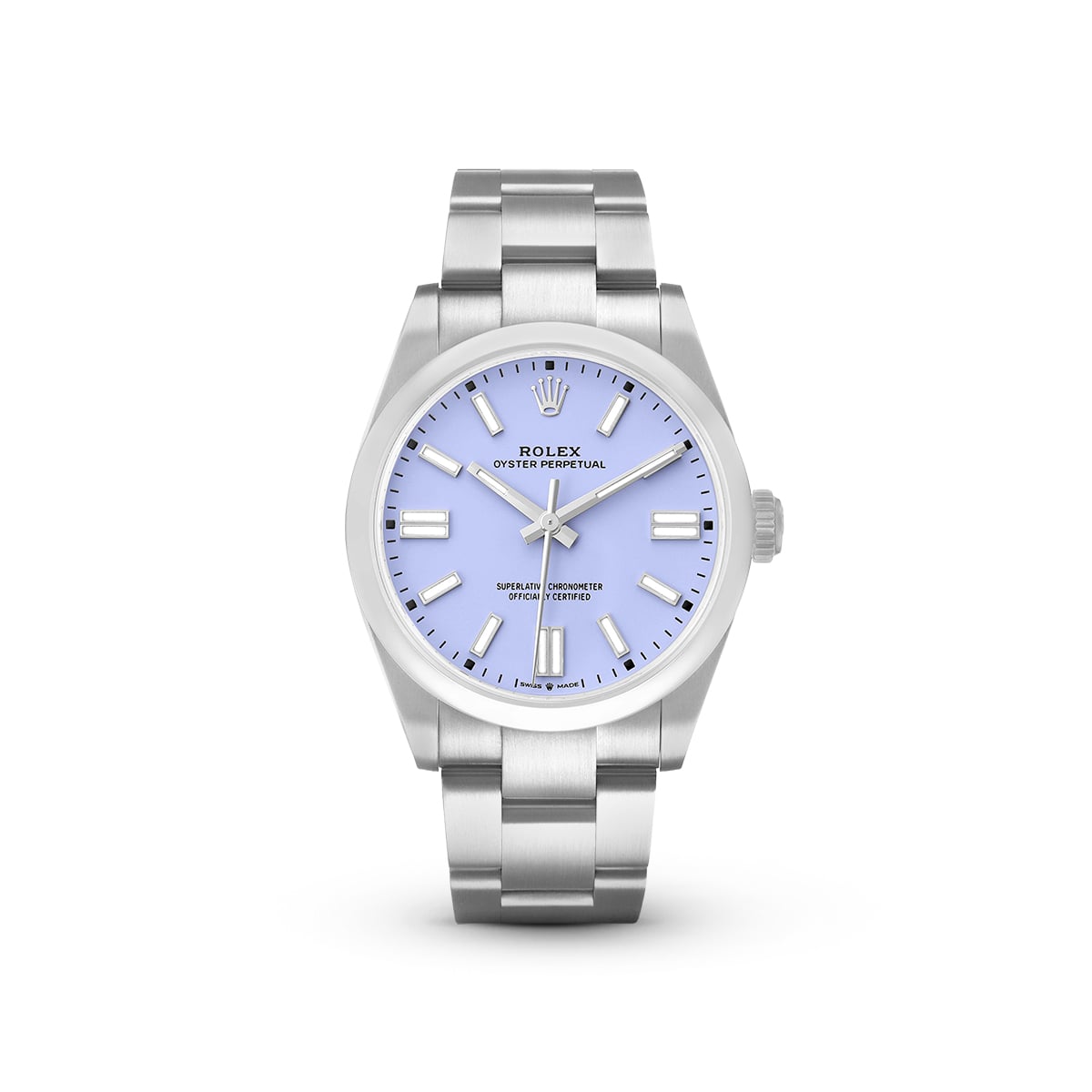
See more from the Rolex Oyster Perpetual collection.
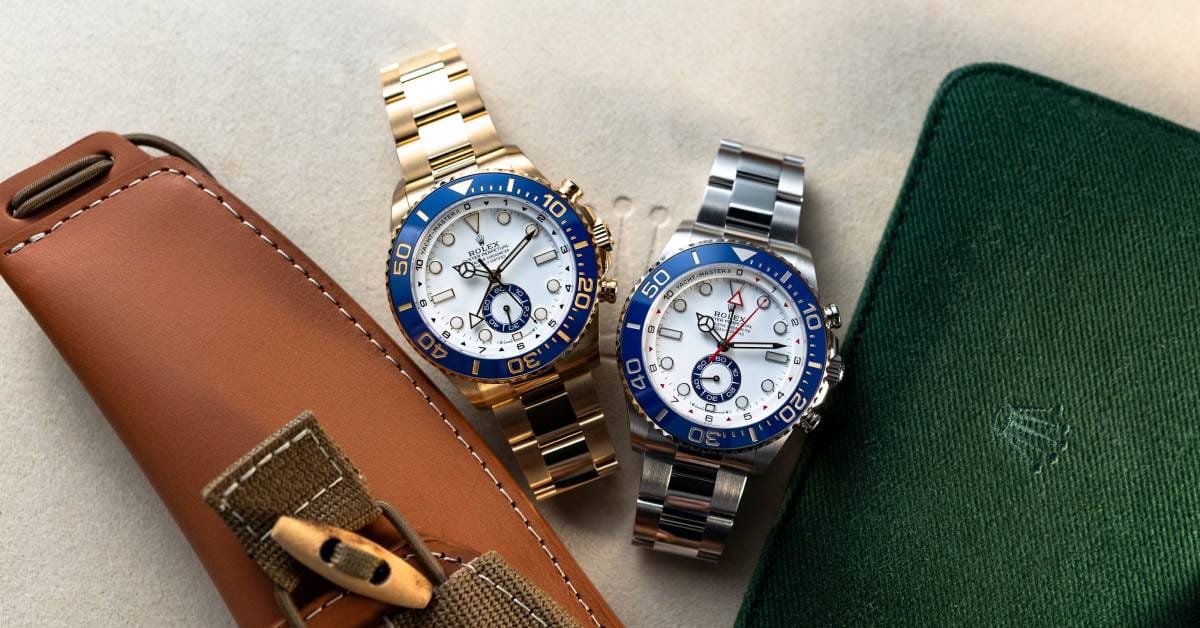
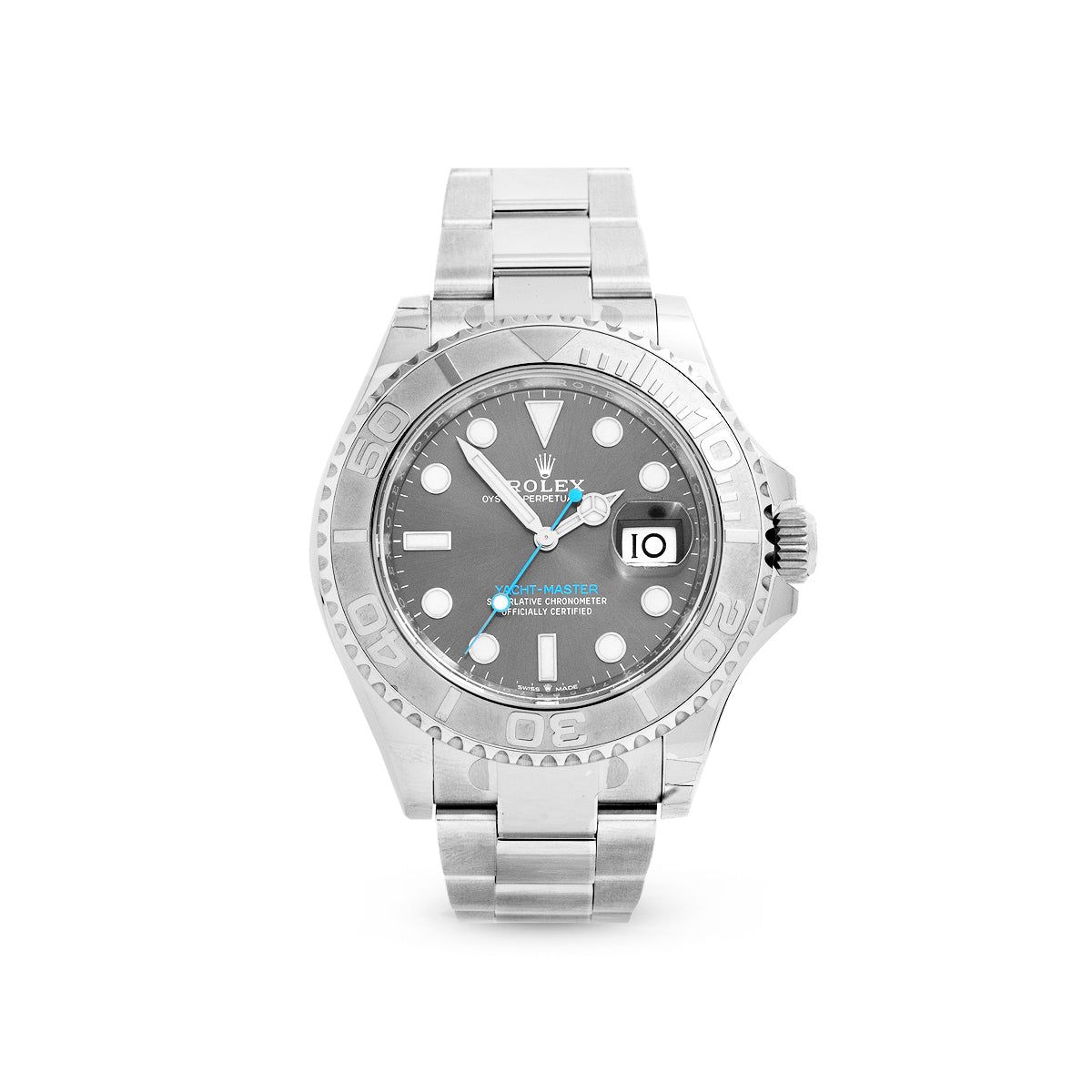
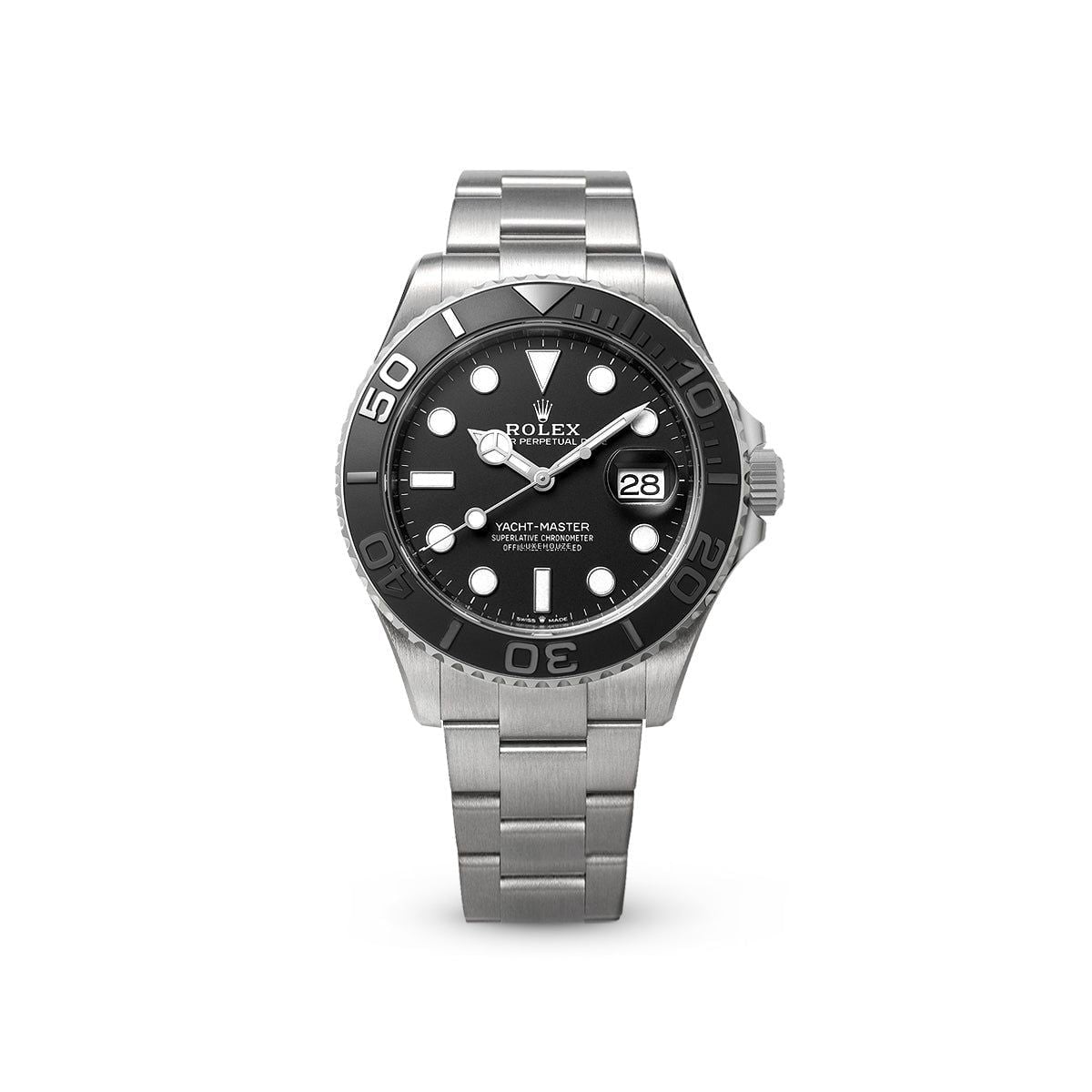
Rolex Yacht-Master II Next Generation
One of the more interesting Rolex returns this year is the Yacht-Master II. Rolex discontinued the regatta chronograph in 2024, and for 2026 it has brought it back with a cleaner dial and a reworked way of using it.
The most noticeable change is on the dial. The countdown scale now sits closer to the flange, which frees up space in the centre, and the larger geometric hour markers make the time easier to read at a glance.
The bigger change is in how the countdown works. The watch is powered by the new Calibre 4162, and the countdown is now set using the lower pusher. Once running, the minute and seconds countdown hands move anticlockwise toward zero. It is a small but sensible change, as it shows the time left before a race starts in a more natural way.
The case stays at 44mm, so this is still a large watch on the wrist. It is available in Oystersteel or 18-carat yellow gold.
For many enthusiasts, the real interest here is that Rolex chose to bring back one of its most specialised complications, rather than replace it with another conventional sports watch.
To see how it fits within the wider range, take a look at the Rolex Yacht-Master collection.
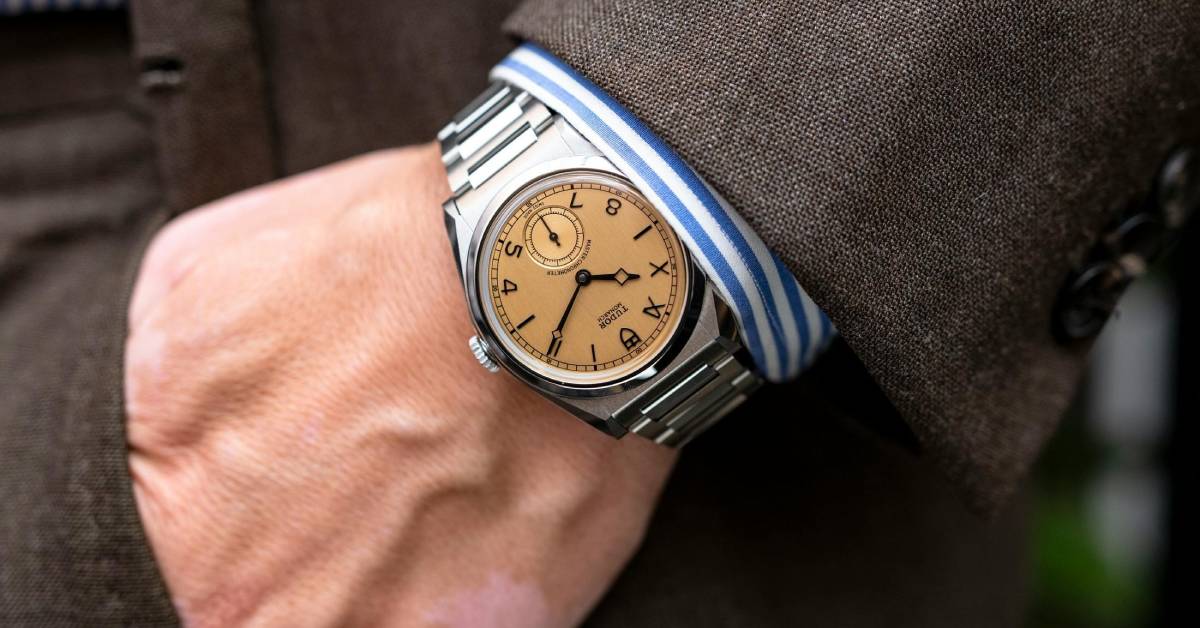
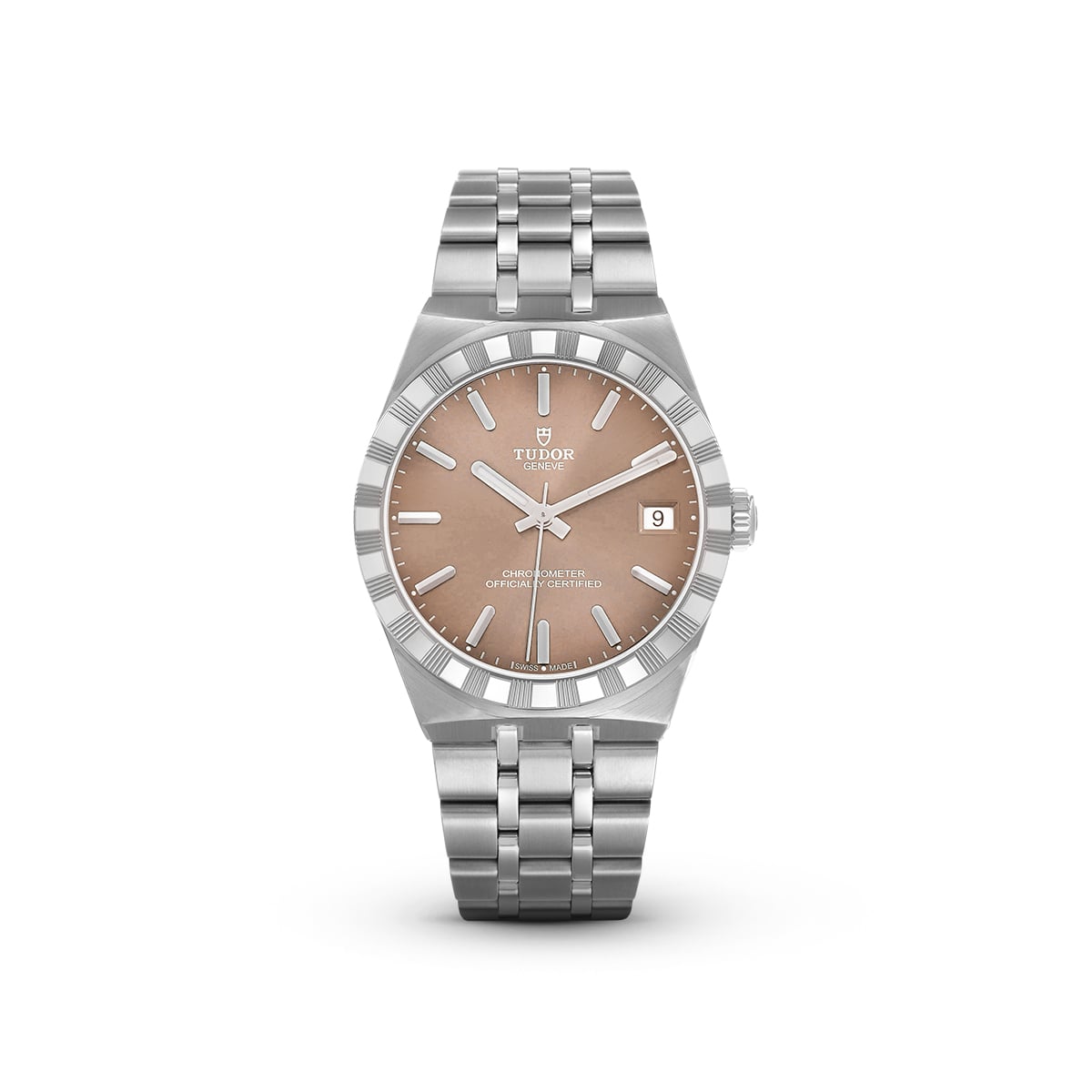
Tudor New Watches 2026: The Royal and Monarch
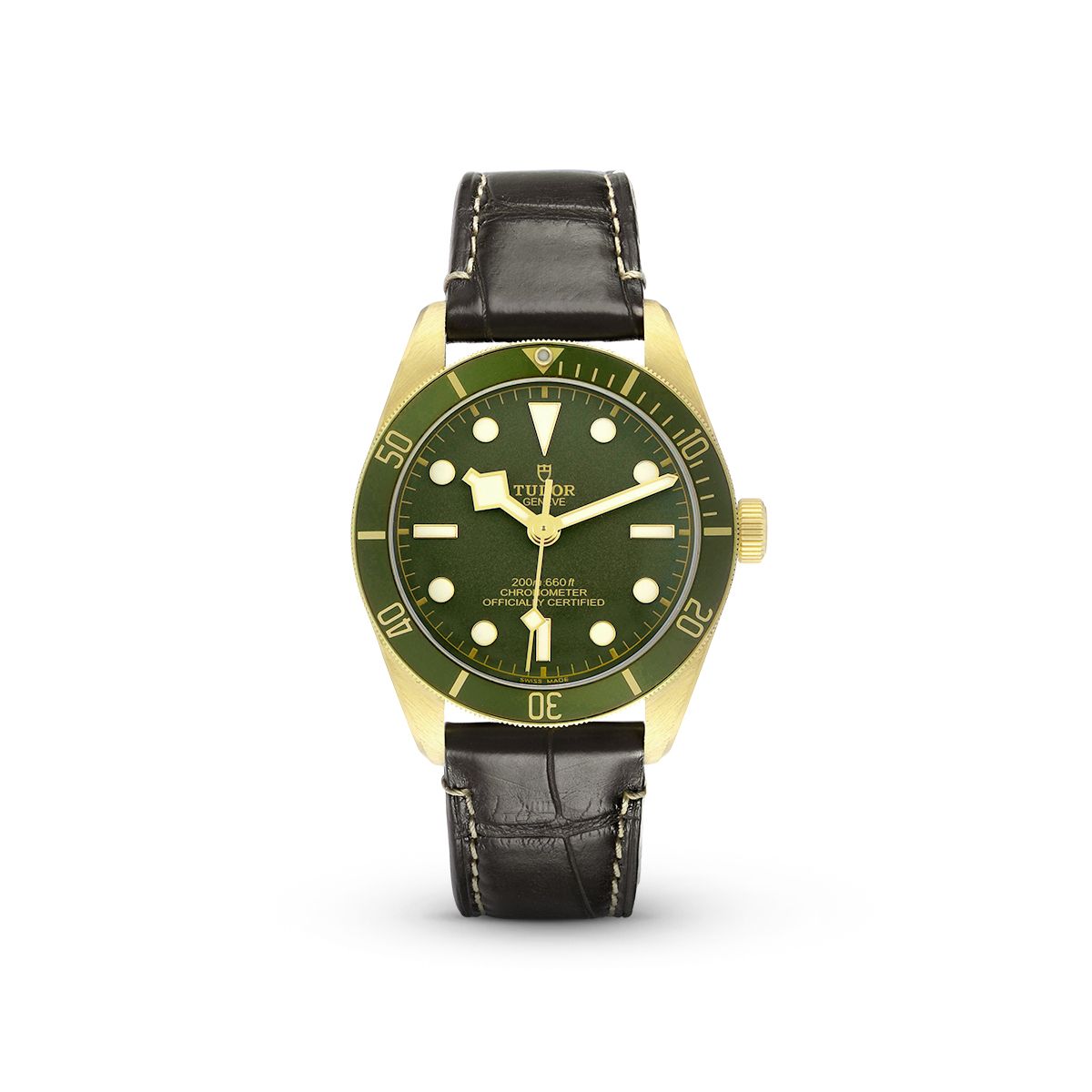
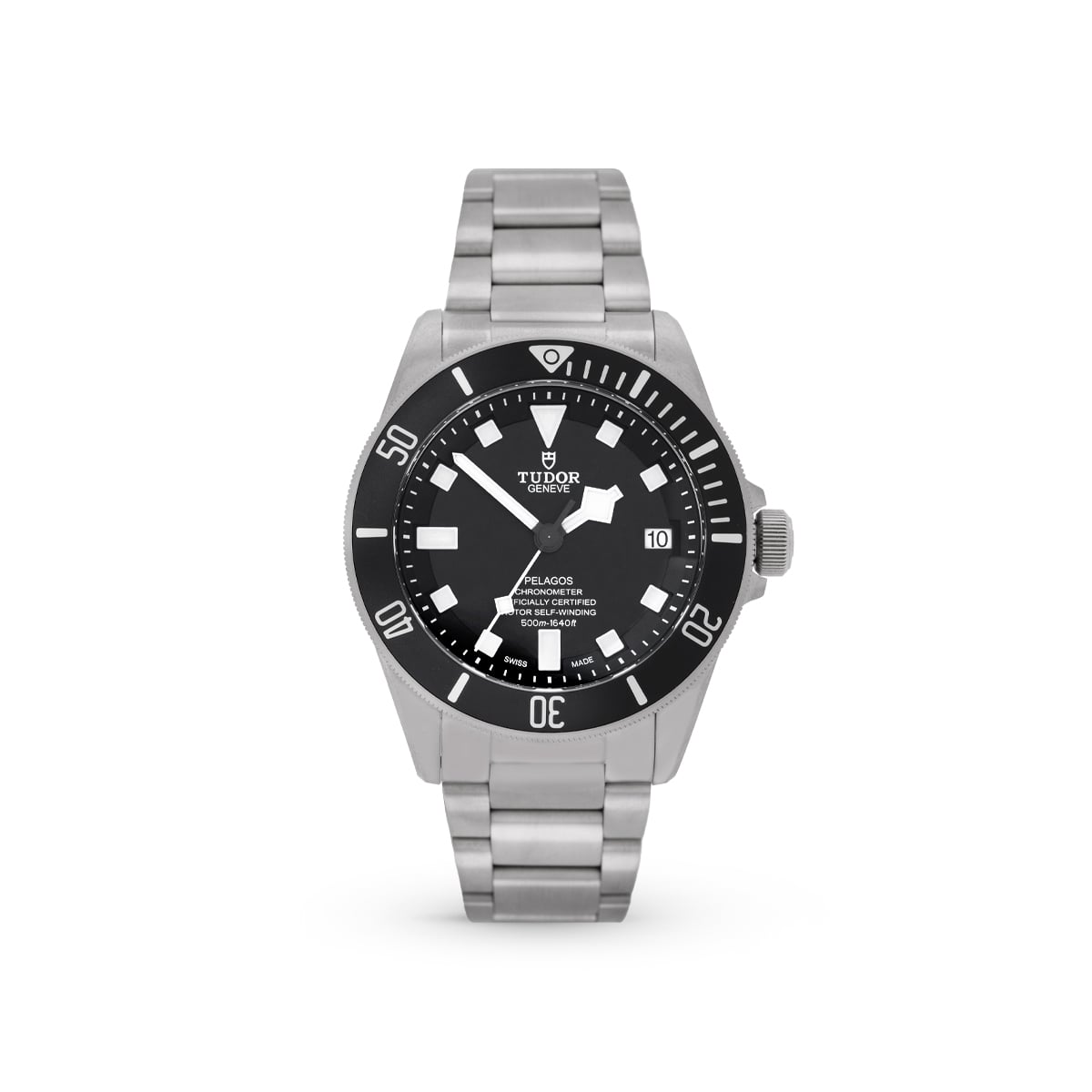
Tudor had a busy 2026, with new releases ranging from fresh Black Bay references to the return of the North Flag. Two models, however, stood out for different reasons: the updated Royal and the all-new Monarch.
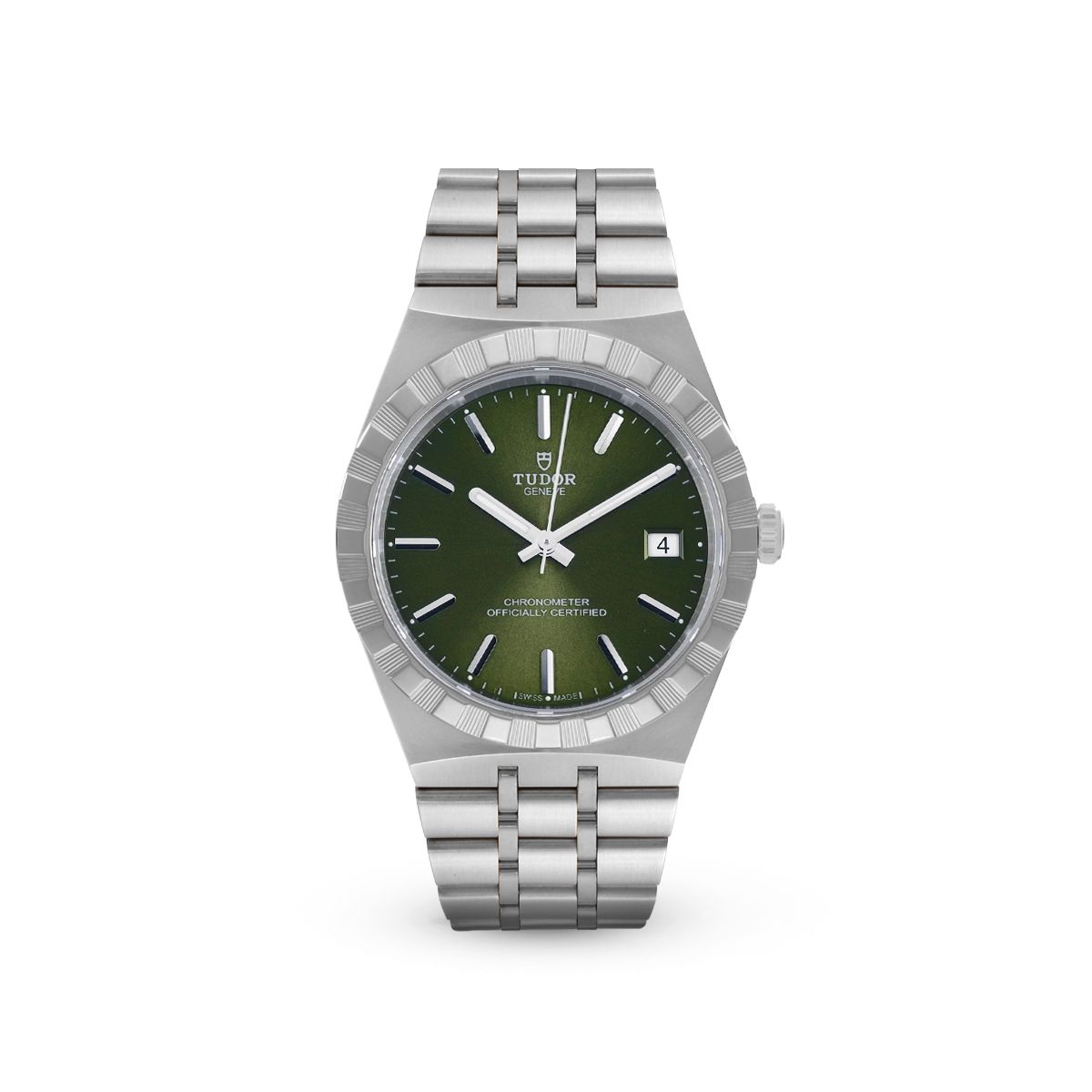
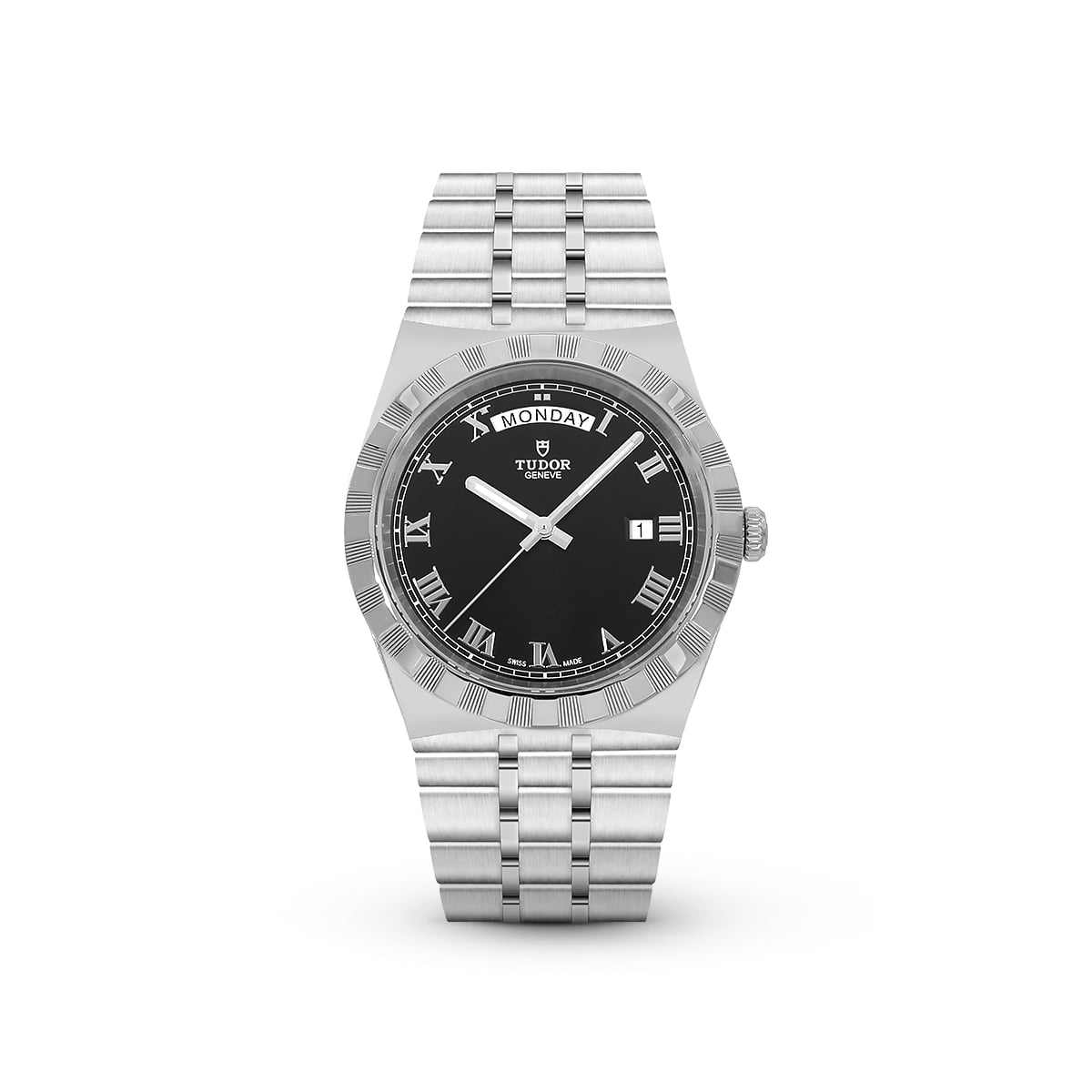
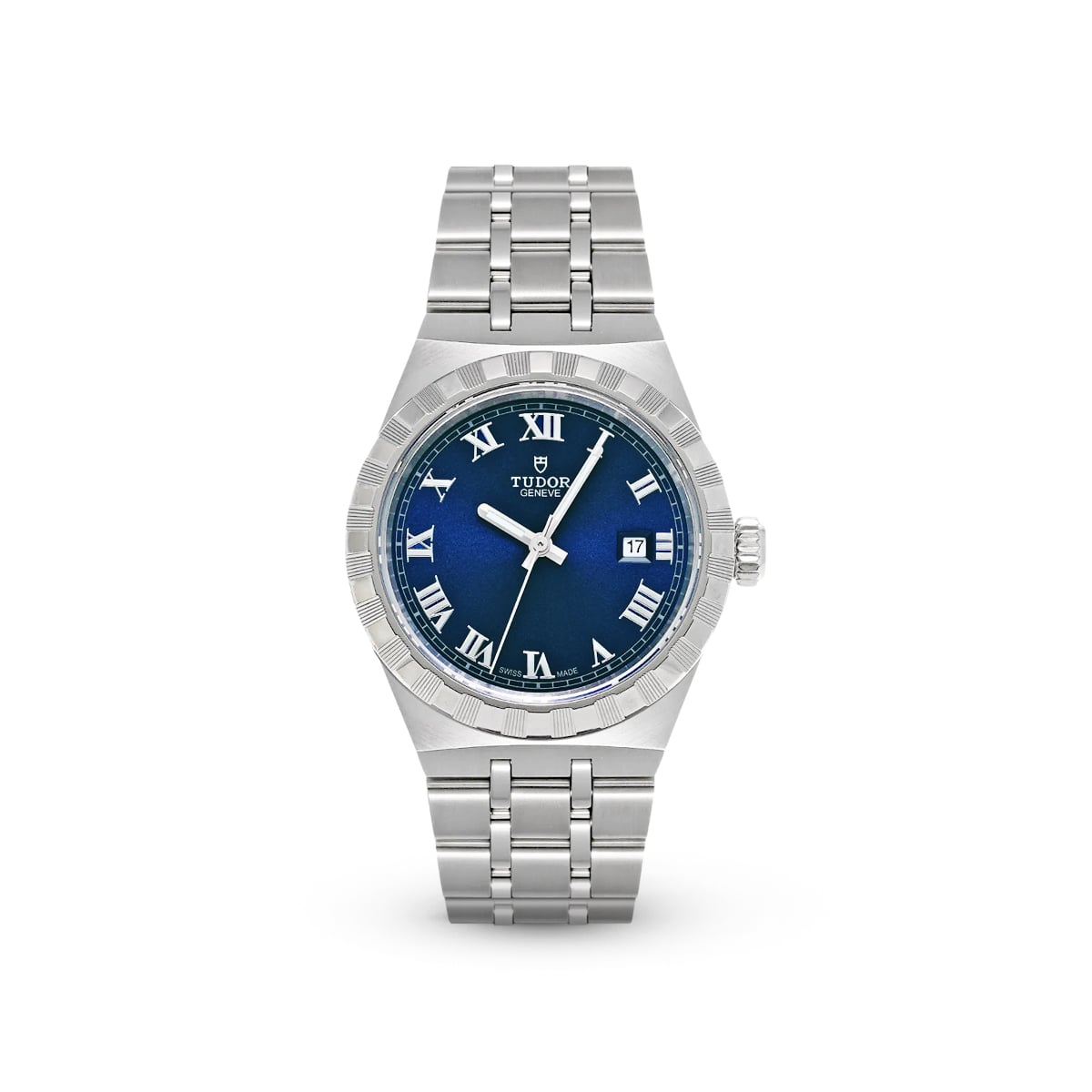
The Royal is one of the year’s main updates. Tudor has given it new case proportions and in-house-manufactured movements, making it a more serious watch mechanically without changing its character. It is still an integrated-bracelet model with a slightly dressy feel, and Tudor lists it among its key 2026 releases.
The Monarch was the bigger surprise. Tudor has brought back an old name from its archive and used it for a new integrated sports watch with a barrel-shaped case. The brand presents it as a nod to a century of progress. It also gives the catalogue something different from the vintage-inspired dive watches that have defined Tudor through the Black Bay line in recent years.
To see how these new models compare with the rest of the range, explore current Tudor references available in Singapore.
Cartier Tank Normale and Roadster Relaunch
In 2026, Cartier once again looked to its archives, but without simply copying the past.
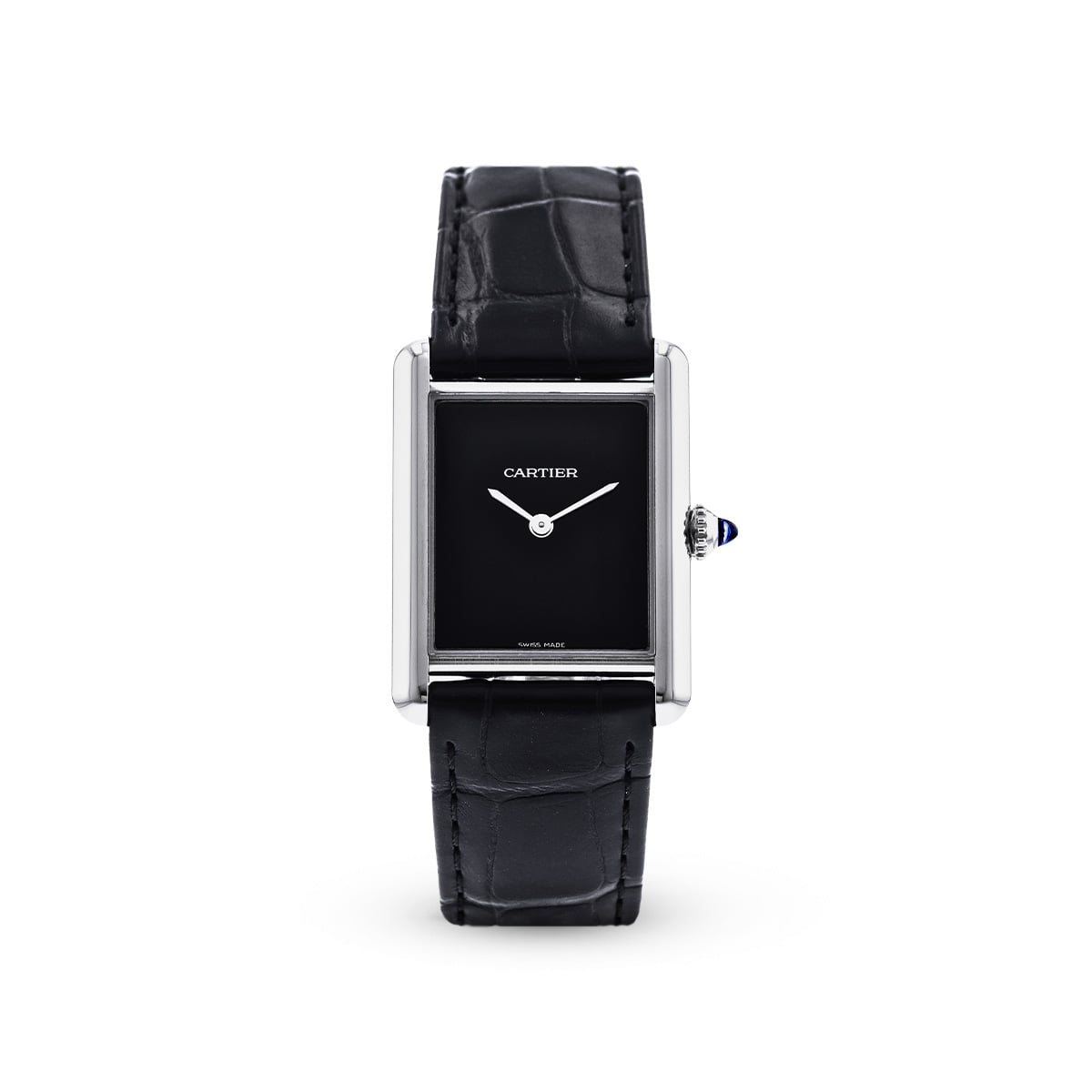
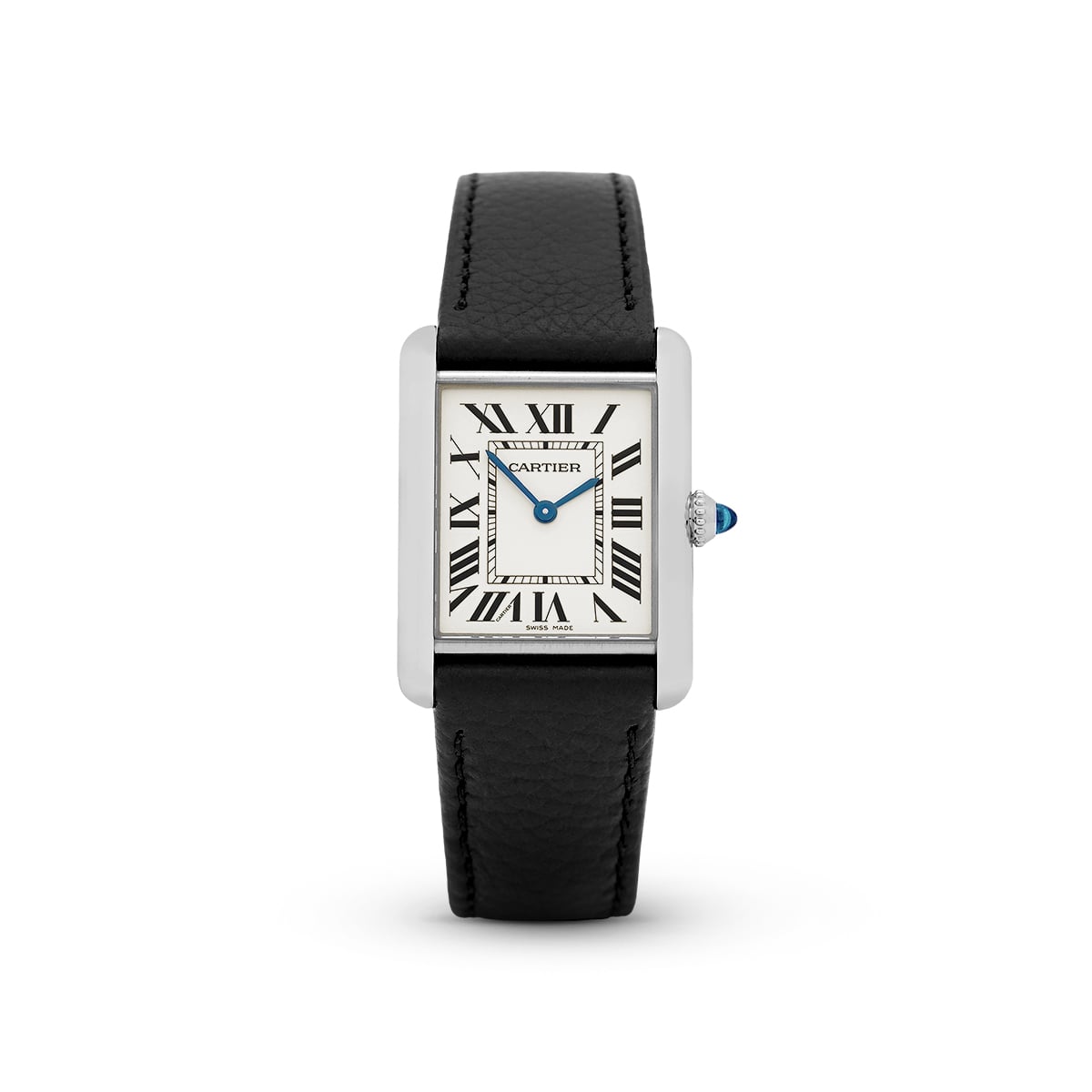
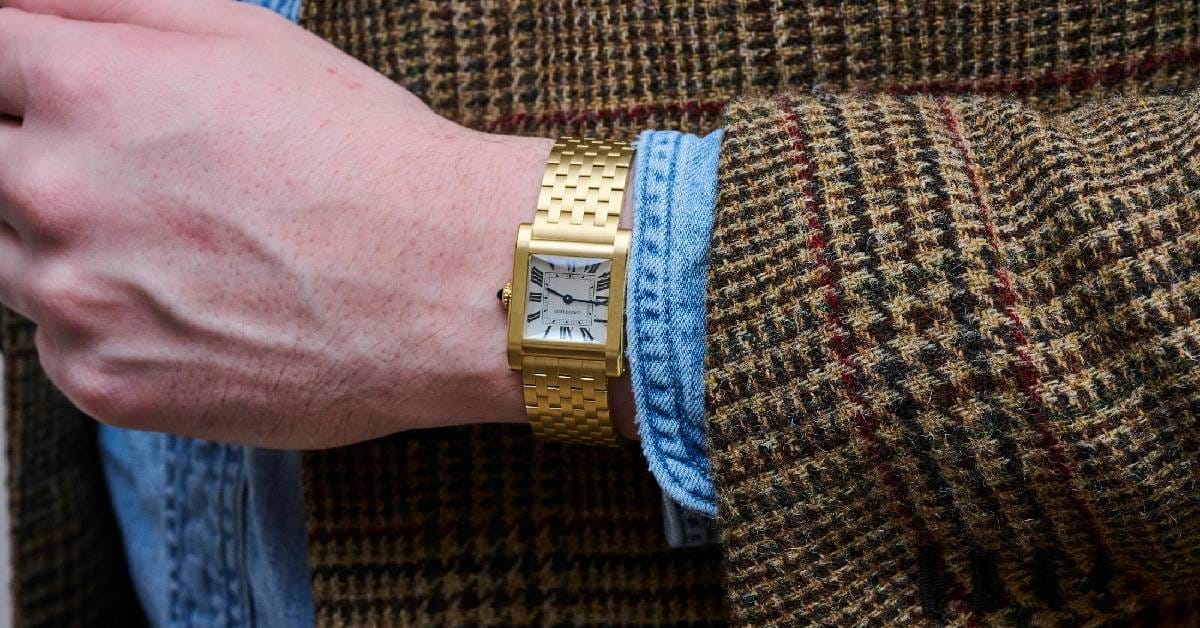
The Tank Normale came back as the tenth chapter of the Cartier Privé series. The yellow-gold version measures 32.6 x 25.7mm and is powered by the manually wound Calibre 070. Cartier also offered versions on bracelets, which draw on the brand’s designs from the 1930s.
The bigger surprise was the return of the Roadster. It looks quite different from the cleaner lines of the Tank and Santos, with a tonneau-like case, a dial inspired by car speedometers, a conical crown and a distinctive magnifier over the date. The new models use the automatic 1847 MC or 1899 MC movement, depending on the case size.
Together, these releases show how many recognisable case shapes Cartier can draw from. For the brand’s more established designs, explore the Cartier Tank Singapore and Cartier Santos collection pages.
Patek Philippe Nautilus 50th Anniversary and Cubitus Perpetual Calendar
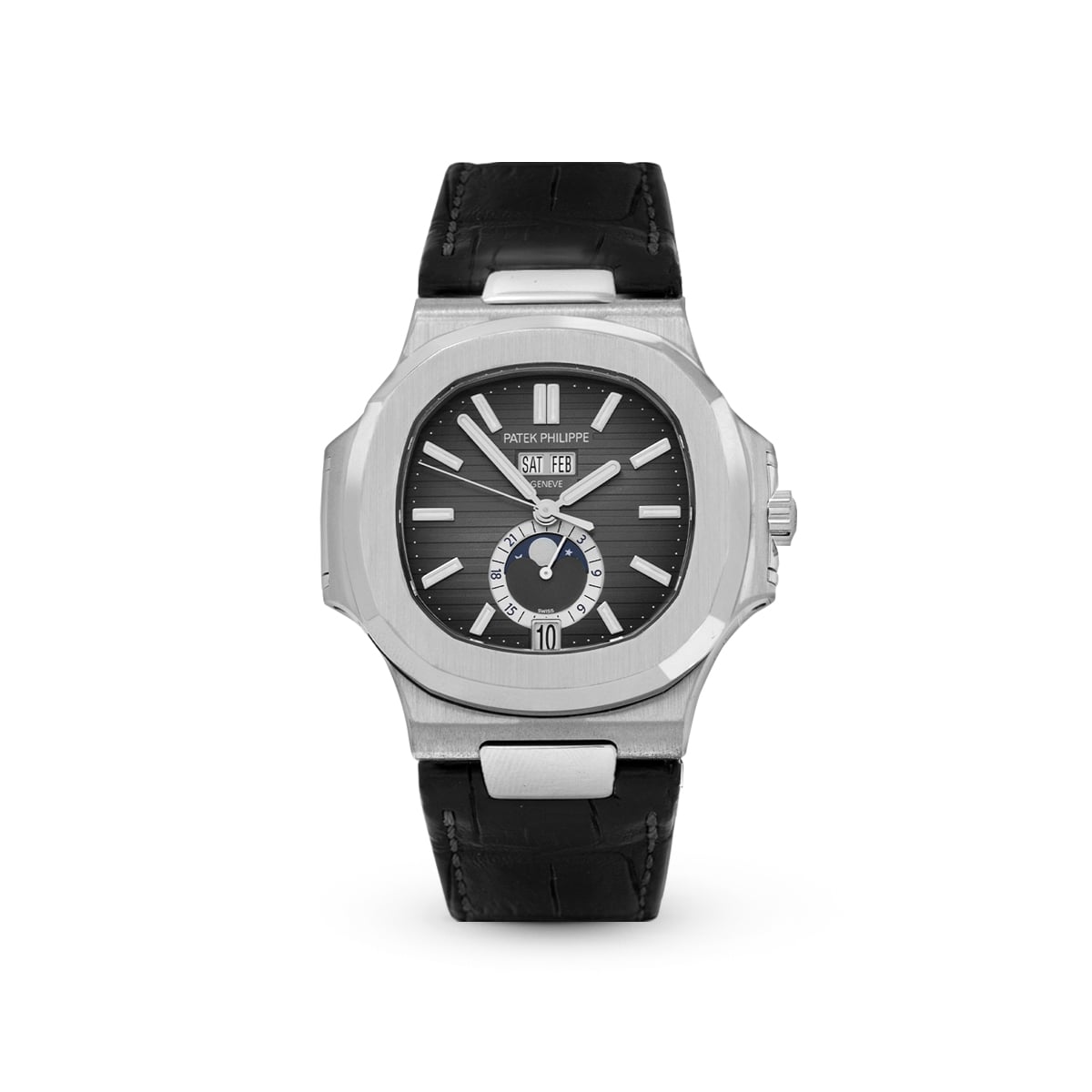
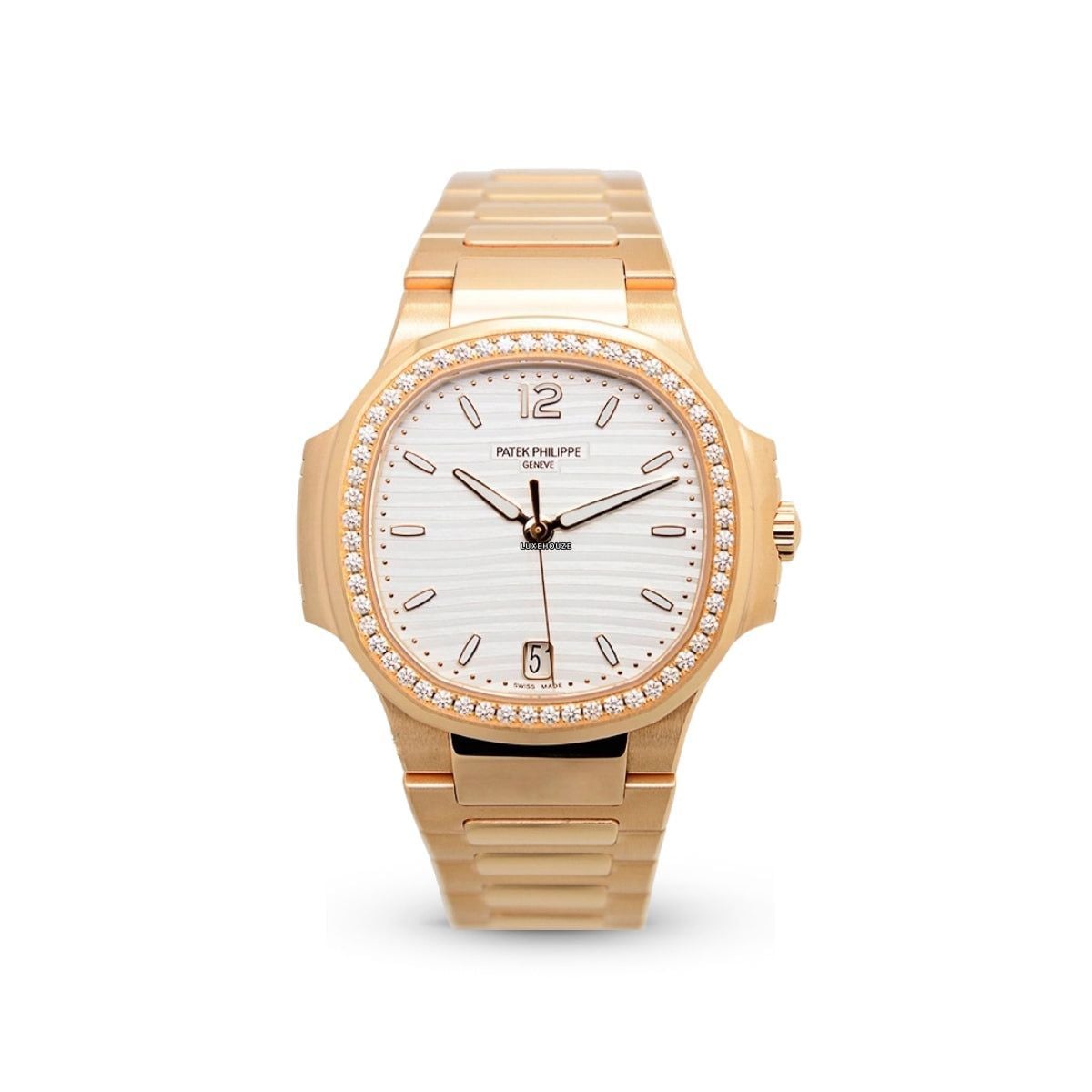
The Nautilus turned 50 in 2026, which gave Patek Philippe a clear reason to return to one of the best-known designs in modern watch collecting.
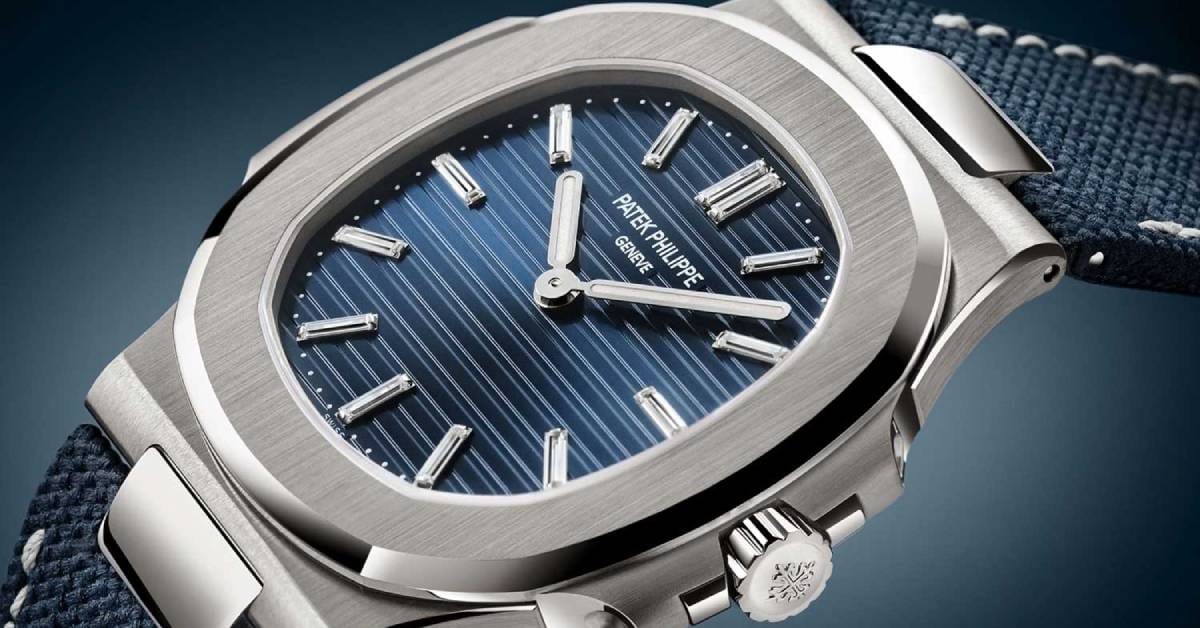
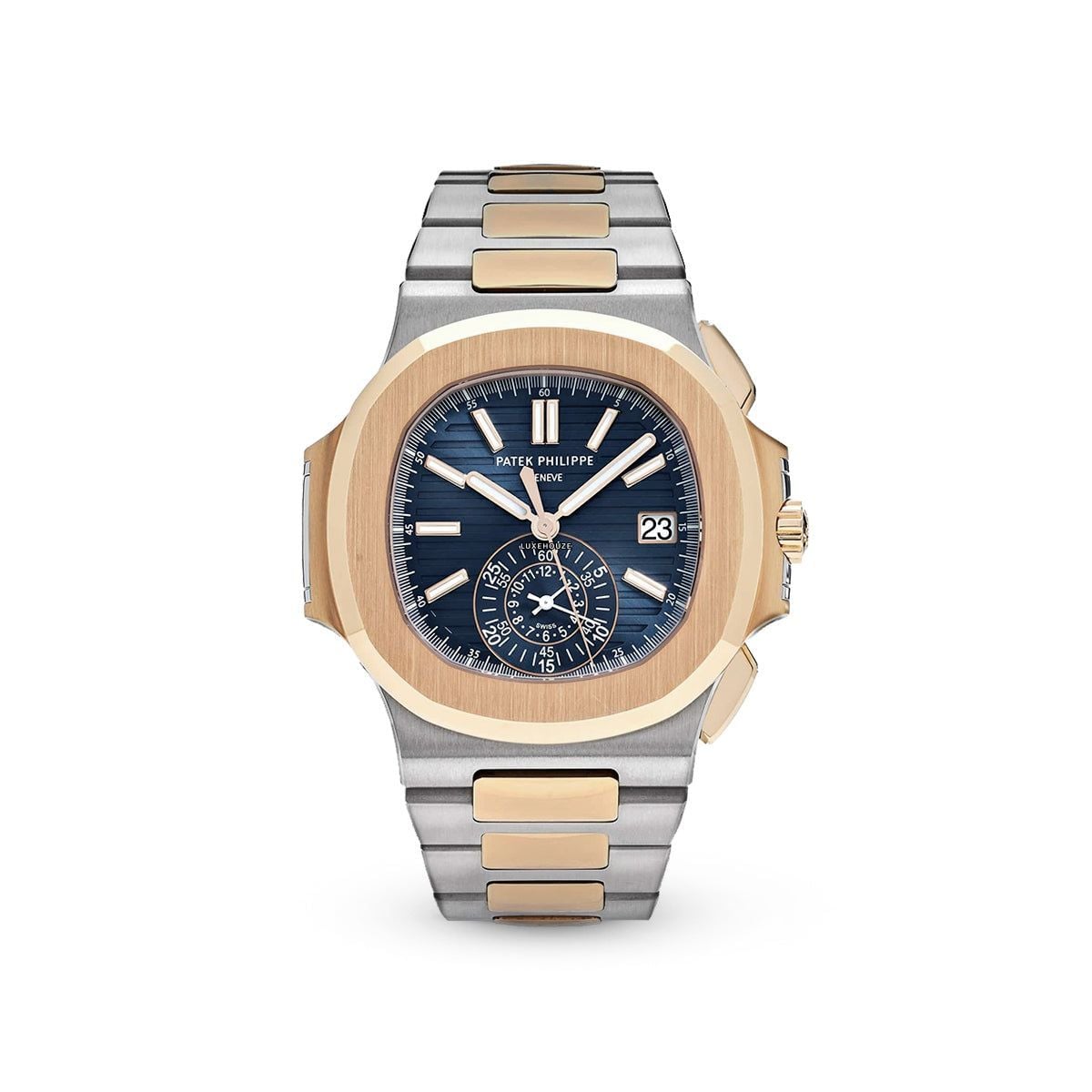
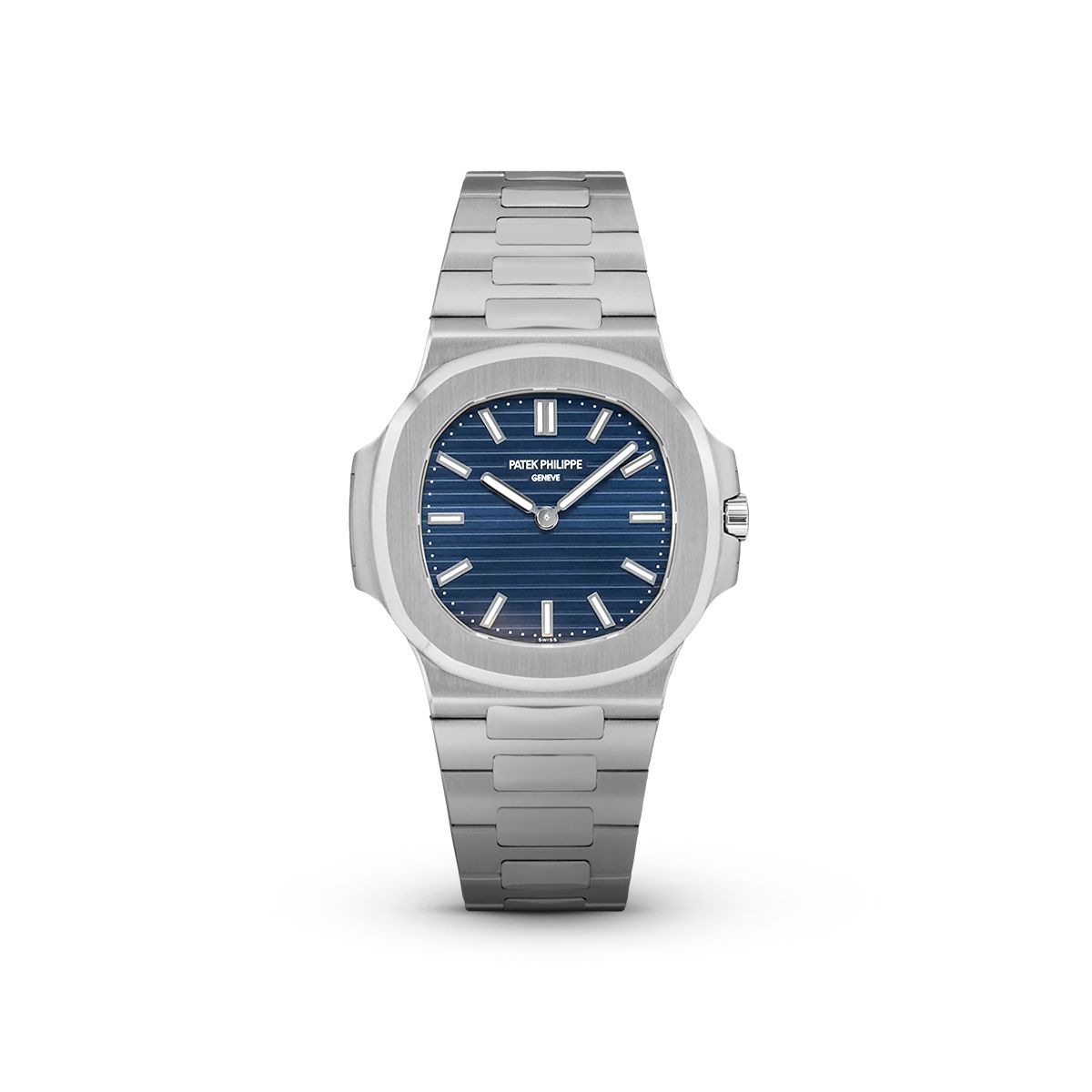
The main anniversary piece is the Ref. 5610/1P-001, an ultra-thin Nautilus in platinum, limited to 2,000 pieces. It has a 38mm case and a blue dial with a horizontal embossed pattern. Inside is the Calibre 240, fitted with a 22K gold micro-rotor engraved with “50 1976–2026”, a small detail that marks the occasion.
At the same time, Patek took its newer Cubitus collection in a more complicated direction. The Ref. 5840P-001 is the first Grand Complication in the line. It pairs a platinum case with an openworked perpetual calendar, driven by the newly developed square Calibre 28-28 Q SQU. The movement contains 313 parts yet measures only 5.04mm thick.
For a different take on Patek’s sports watches, browse Patek Philippe Aquanaut Singapore.
IWC Big Pilot Perpetual Calendar in Ceralume
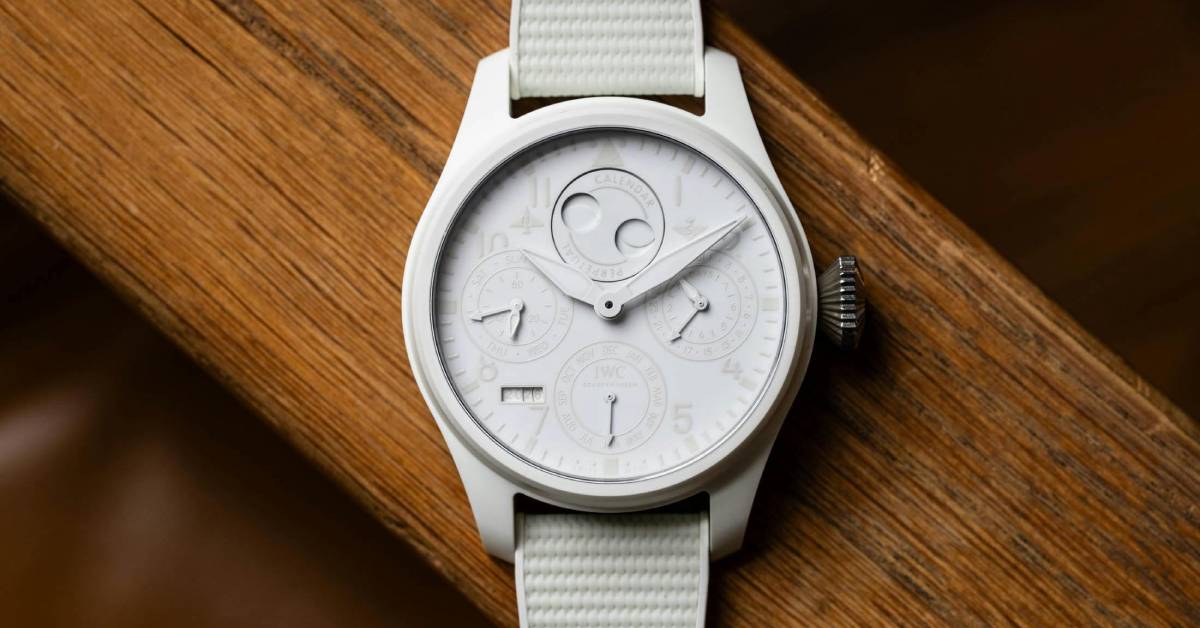
IWC’s most talked-about release this year was the Big Pilot’s Watch Perpetual Calendar Ceralume, a limited edition of 250 pieces built around an unusual material.
The 46.5mm case is made from Ceralume, IWC’s own luminous ceramic, which mixes ceramic with Super-LumiNova pigments. The dial and rubber strap glow as well, so once the watch has been exposed to enough light, almost all of it shines blue in the dark for more than 24 hours.
The movement is just as serious as the material. Inside is the Calibre 52616, which offers a seven-day power reserve and runs IWC’s perpetual calendar. It shows the day, date, month and four-digit year, along with a Double Moon display.
Taken together, the watch shows how new materials now carry as much weight as complicated movements in high-end watchmaking.
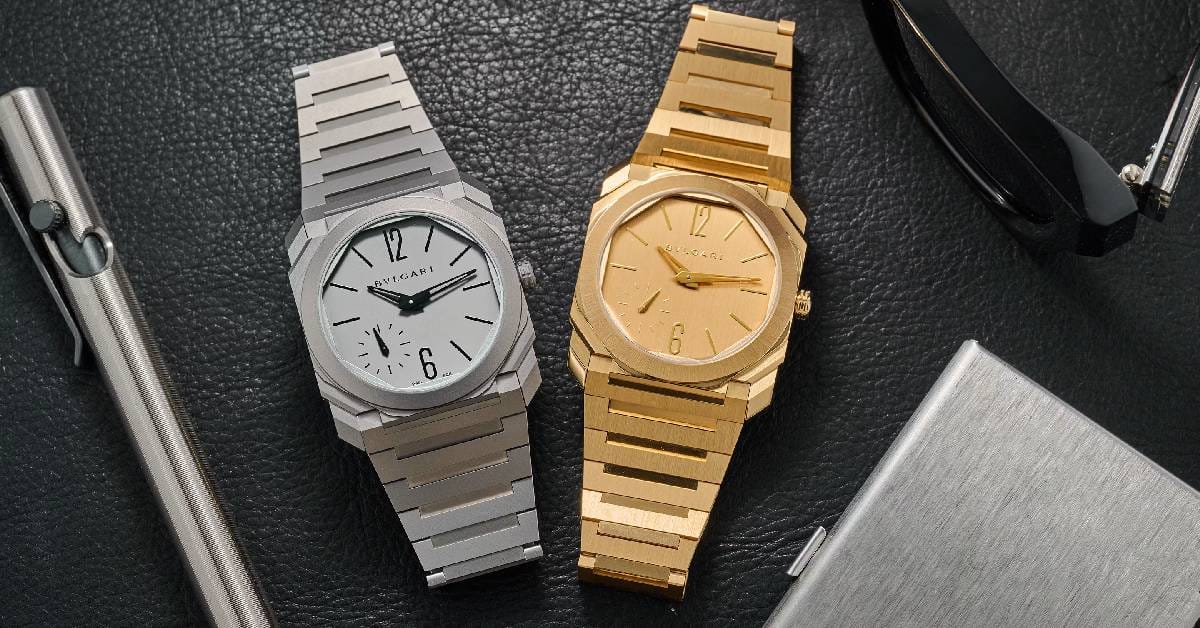
Bulgari Octo Finissimo 37mm
This year, Bulgari took the Octo in a new direction. Instead of making it bolder, the brand made it smaller.
The new model comes in a 37mm titanium case that is just 6.45mm thick. It keeps the angular case shape and integrated bracelet that define the Octo Finissimo, but the reduced size should make it easier to wear on a wider range of wrists.
The bigger story, however, is inside. Bulgari developed a new automatic movement, the BVF 100, specifically for this watch. It uses a micro-rotor, measures only 2.35mm thick and offers a 72-hour power reserve. A power reserve of that length is not common in a movement this thin, which makes it one of the more notable technical details of the release.
The watch also reflects one of the clearest trends among new watches 2026. Smaller case sizes are no longer reserved for vintage reissues and dress watches. More brands are now offering their modern sports designs in sizes that are easier to wear every day.