Birkin



About the Hermès Birkin
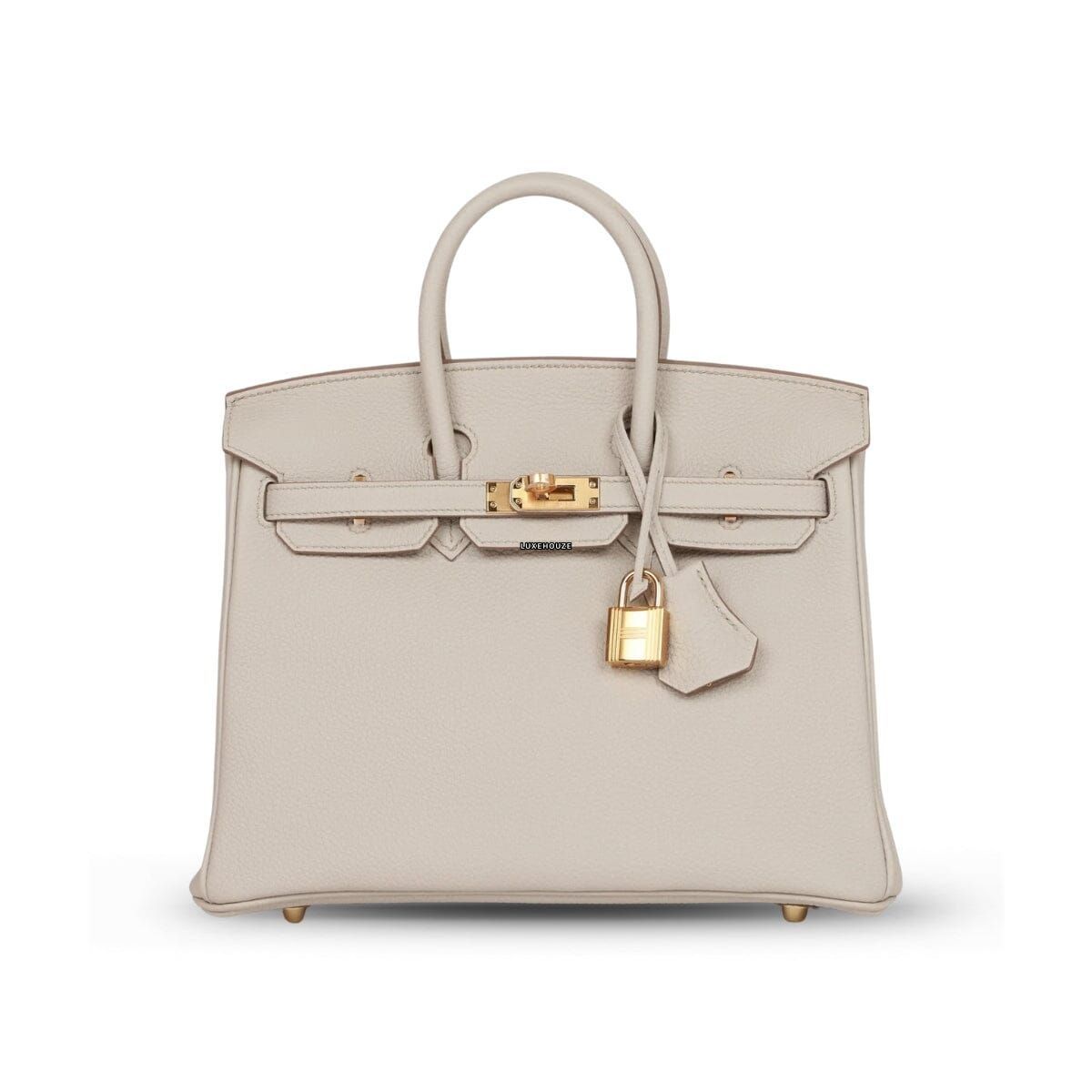
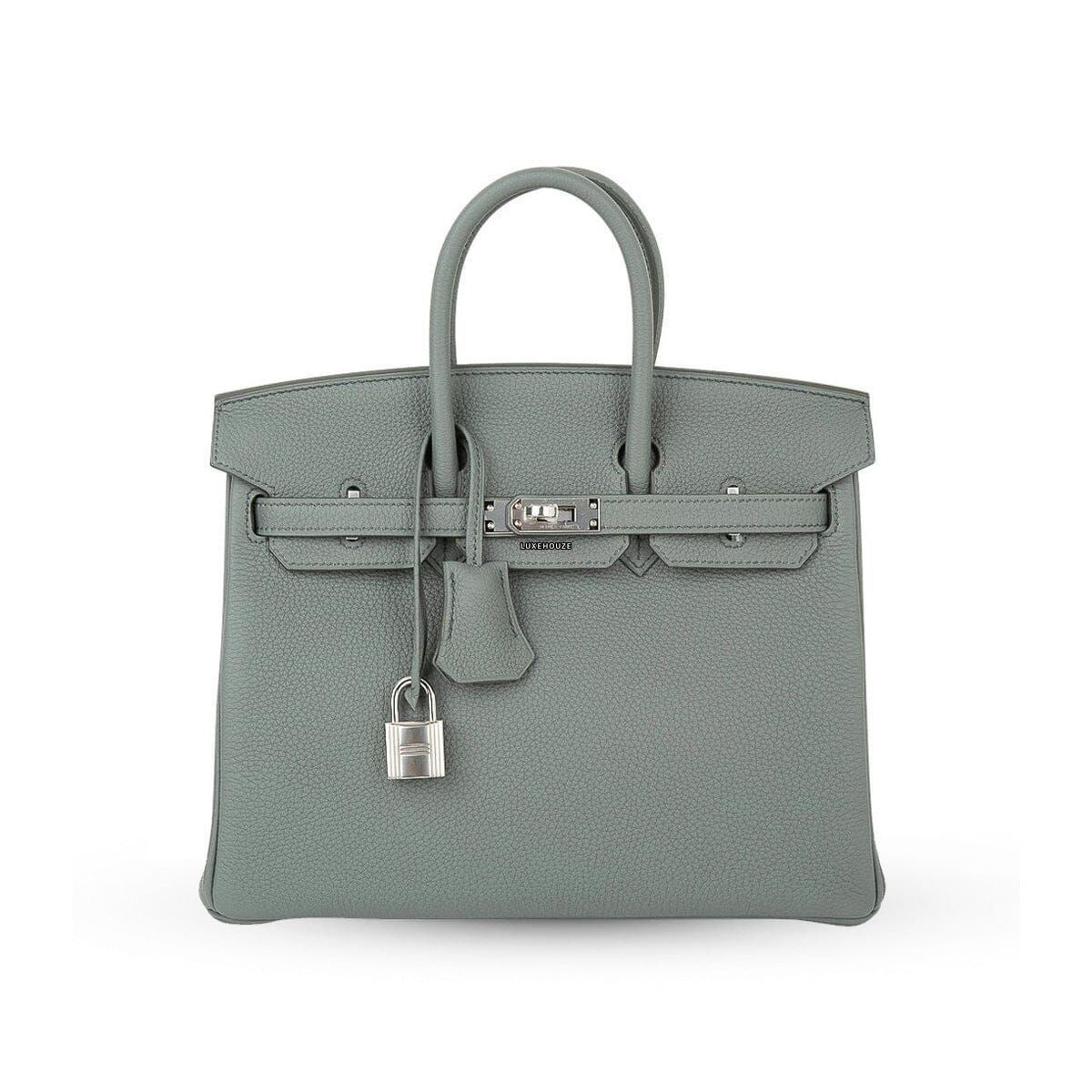
The Birkin is one of the most recognized bag models from Hermès. It is known for its structured design and practical capacity. The silhouette is firm, with balanced proportions that suit both formal and understated styling.
Collectors often value the Birkin for the consistency of its materials and the precision of its handcraft. Each piece is made individually by a single artisan, reflecting the craftsmanship standards that define Hermès.
Beyond design, limited availability also shapes its exclusivity. In long-term collections, the Birkin is often seen not only as an accessory, but as part of modern fashion heritage.
History of the Birkin
The Birkin was introduced in 1984 following a meeting between a Hermès executive and British actress Jane Birkin. From that conversation came the idea to create a bag with generous capacity while preserving an elegant structure.
Since its launch, the Birkin has become a key piece within the Hermès leather goods line. The core design has remained consistent for decades, with adjustments mainly in size, leather, and hardware options.
This continuity is part of the model’s appeal. Rather than frequent redesign, Hermès focuses on refinement, proportion, and material development.
Key Features of the Birkin
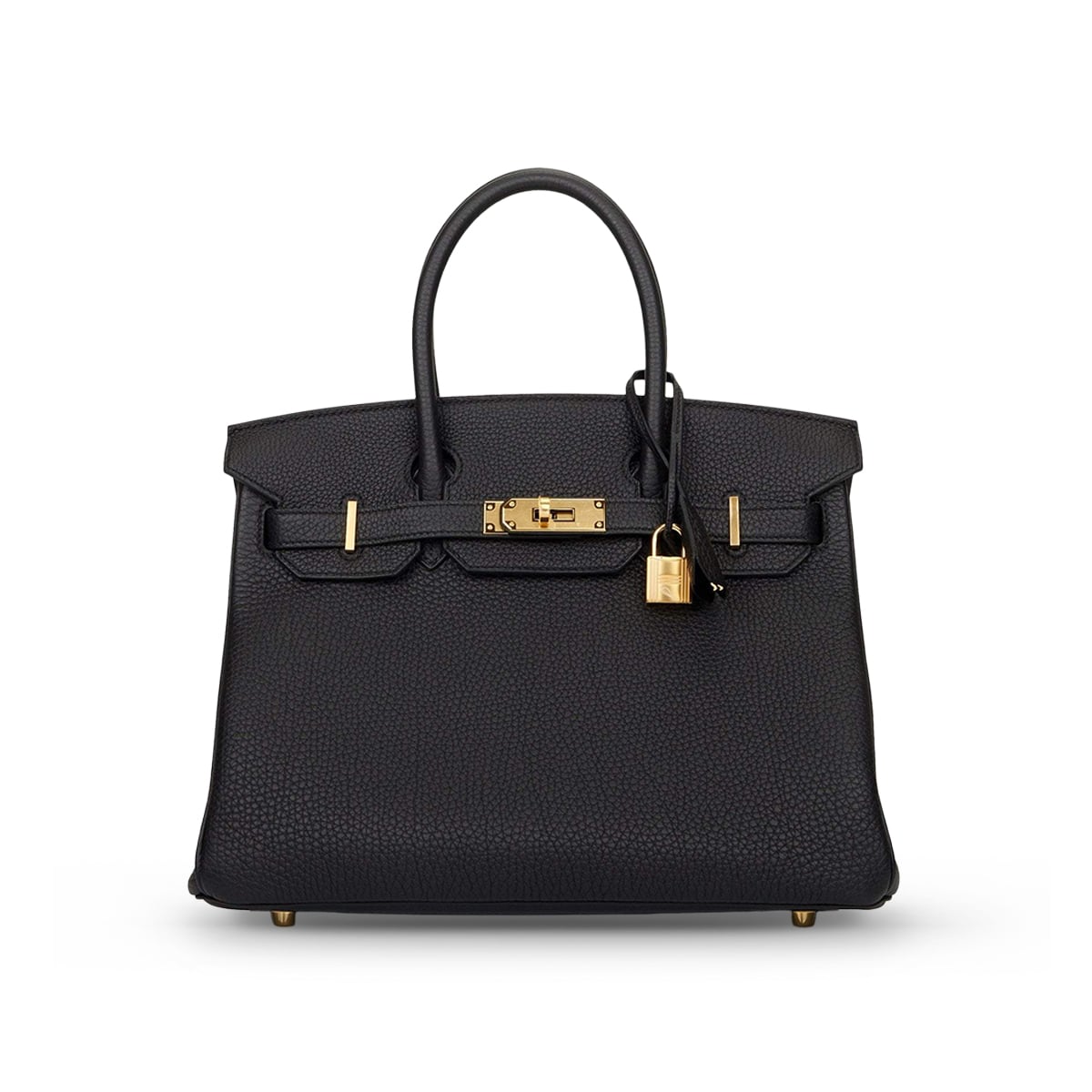
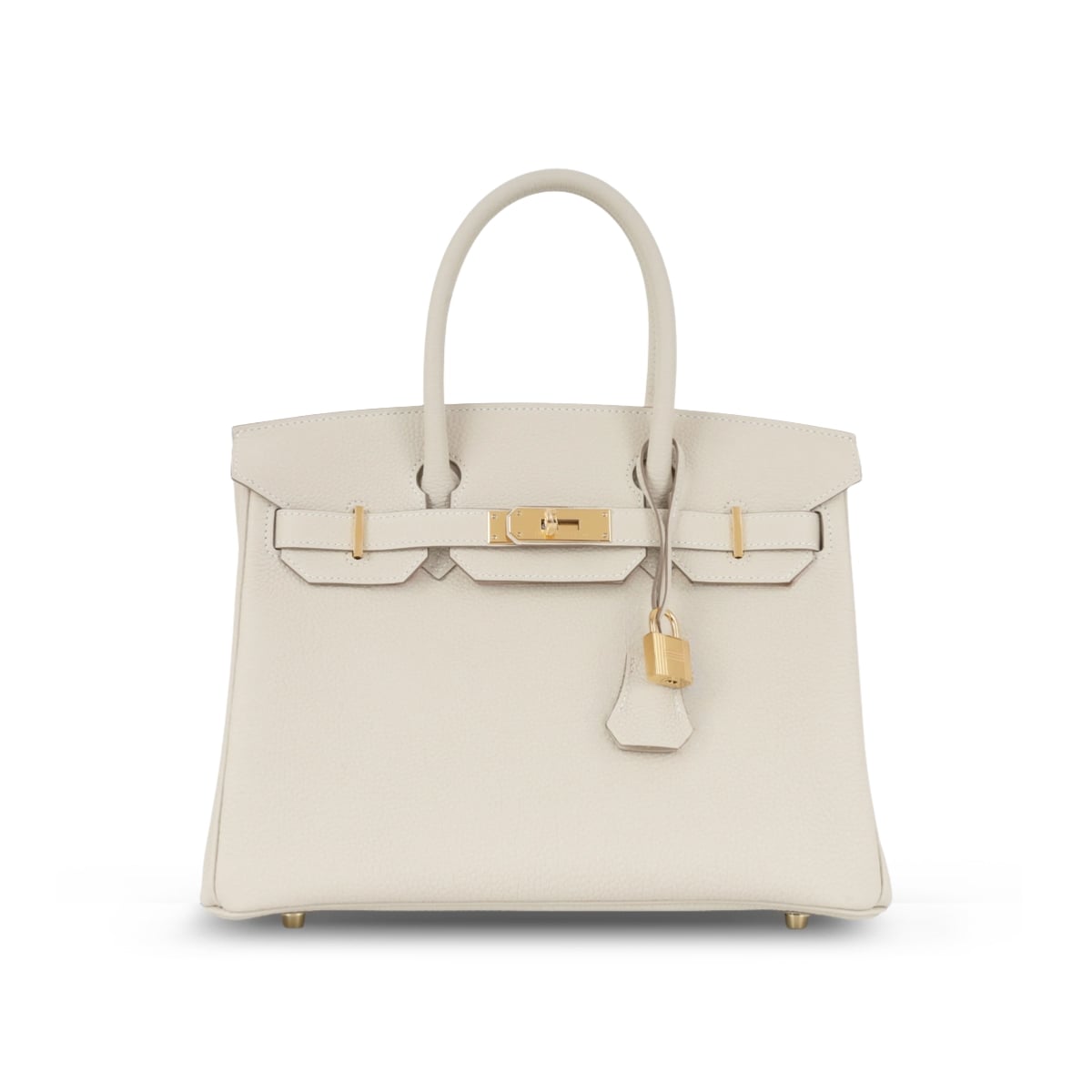
The Birkin features a structured body, two top handles, a front flap closure, and the signature lock with a clochette. Its proportions are designed to balance functionality and formal aesthetics.
It is available in various leathers, including Togo, Clemence, and Epsom, as well as exotic skins such as ostrich and crocodile. Each leather type offers a distinct texture and visual character.
The bag is crafted entirely by hand by a single artisan, with production time that can reach several dozen hours. This approach ensures quality consistency and precise finishing details.
Popular Birkin Products
1. Birkin 25
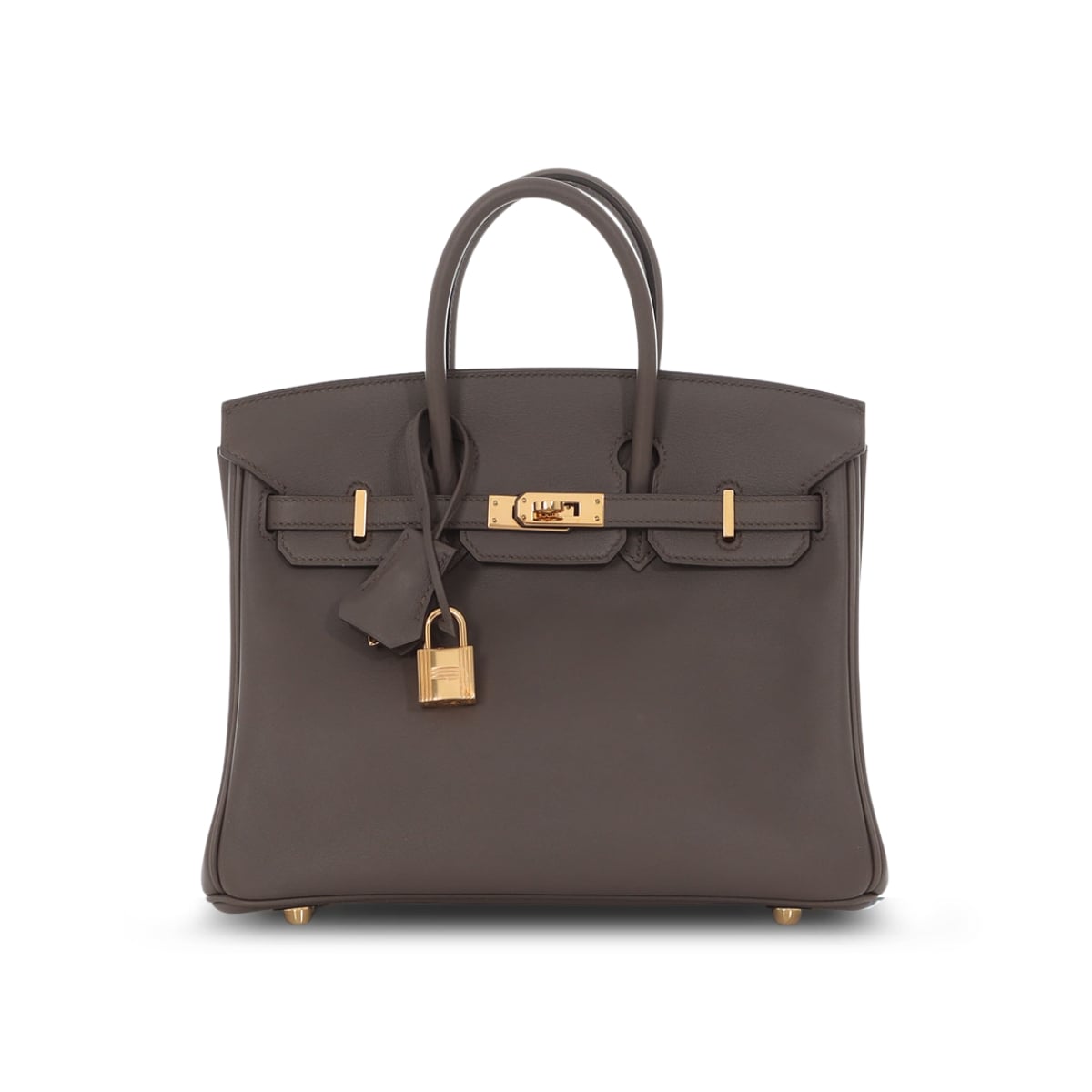
The Birkin 25 is known for its compact and well-balanced proportions. Its smaller size offers a modern impression while remaining aligned with the original Birkin structure.
This model is often chosen for lighter daily use. Despite its 25 cm dimension, it retains the defining silhouette and hardware details that characterize the Birkin.
Product references include Birkin 25 Beton Togo GHW U and Birkin 25 Gris Etain Swift GHW K. These variations highlight how leather type and hardware can subtly influence the overall appearance.
2. Birkin 30
The Birkin 30 offers greater capacity compared to the 25, providing additional space for daily essentials or work-related needs.
Its proportions remain elegant and balanced, and many consider this size the most classic within the Birkin line. The structure feels close to the original concept introduced in the 1980s.
For some collectors, the Birkin 30 represents the format that most closely reflects the early design intention. A product example includes Birkin 30 Geranium Togo GHW X.
3. Birkin in Exotic Materials
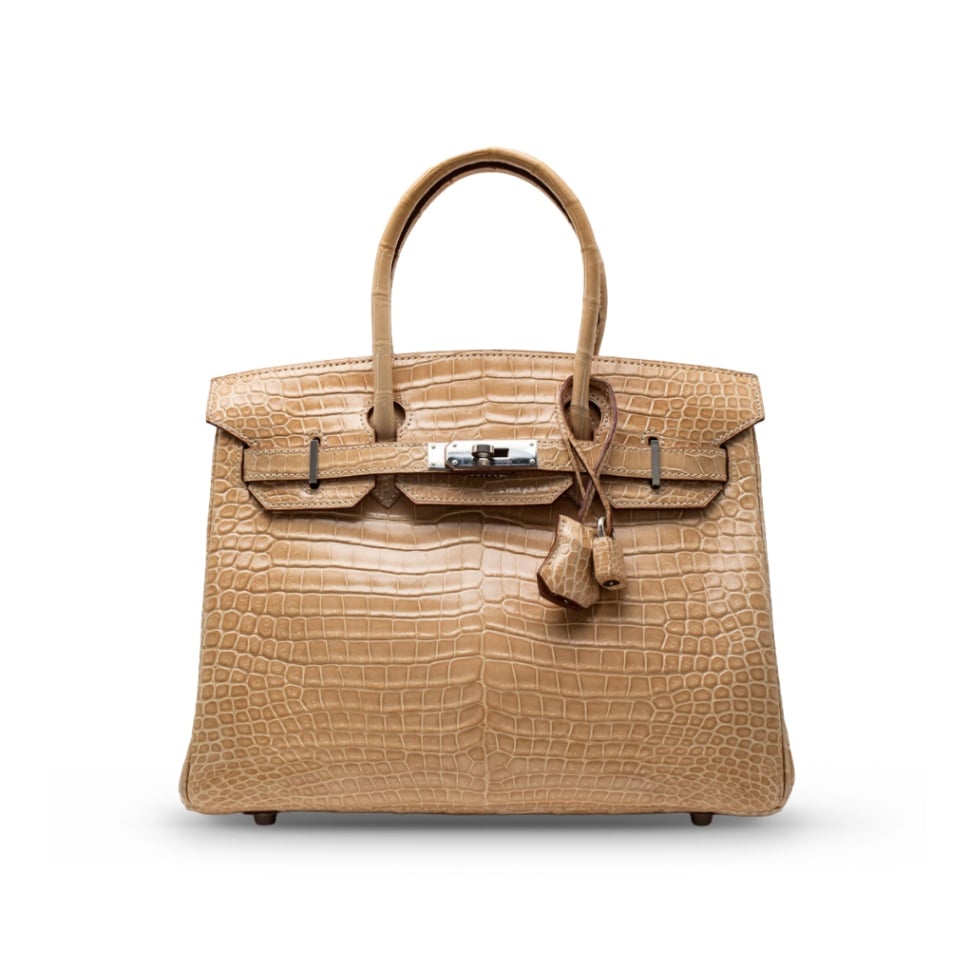
Beyond standard leathers, the Birkin is also available in exotic materials such as ostrich or crocodile. These options introduce distinctive textures that are rarely found in other products.
Examples include Birkin 30 Gold Ostrich GHW B. Each material presents a different surface pattern and finish.
The selection and crafting of exotic leather require stricter quality standards. Production is generally more limited, which influences both availability and pricing in boutiques.
Explore Other Luxury Products
You may also explore other fine watch and fashion houses available at Luxehouze:
Watches:
Rolex | Patek Philippe | Audemars Piguet | Richard Mille | Omega | Cartier | Panerai
Fashion:
A.P.C. | Alaïa | Balenciaga | Bottega Veneta | Fendi | Gucci | Loewe | Miu Miu | Prada | Totême
FAQ About Birkin
- Why is the Birkin difficult to obtain?
Production is fully handmade and limited. Distribution in boutiques is selective, and global demand often exceeds availability. - How much does a Birkin cost?
Pricing varies depending on size, material, condition, and year. Exotic materials and rare colors are typically positioned at higher price levels, especially in the secondary market. - What materials are used for the Birkin?
The Birkin is available in various leathers such as Togo, Clemence, and Epsom, as well as exotic options including ostrich and crocodile, depending on the collection and preference.